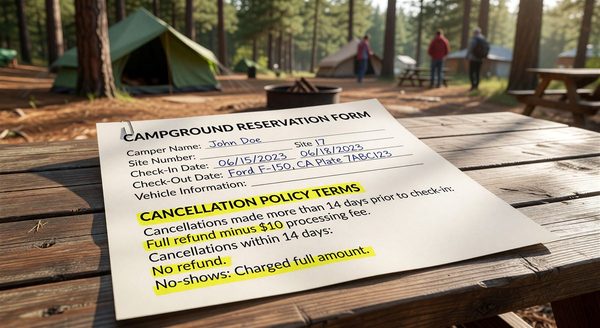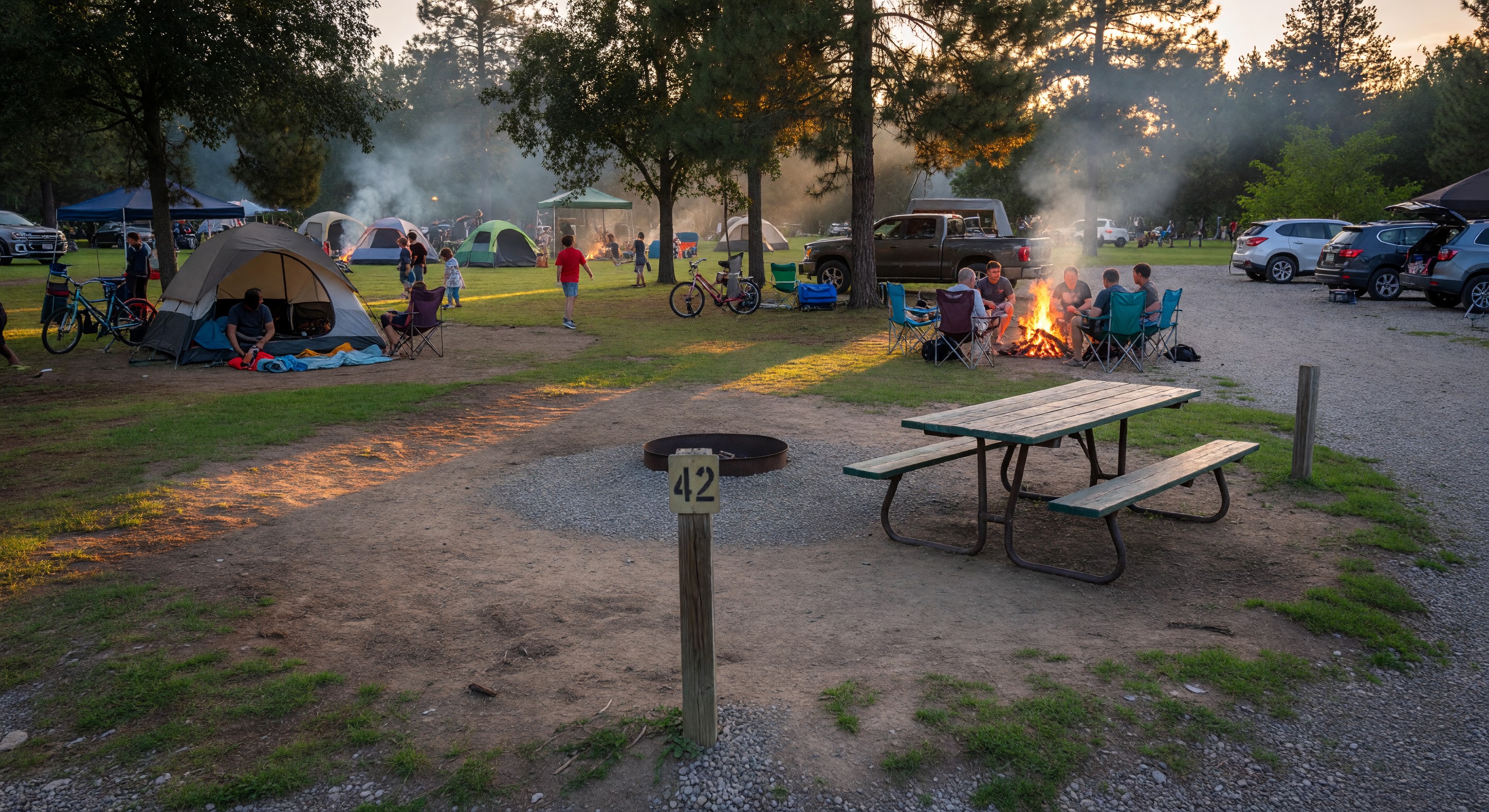
A no-show — a confirmed reservation where the guest simply doesn’t arrive — is one of the most wasteful outcomes in campground management. Unlike a cancellation, which at least gives you a window to resell the site, a no-show leaves you holding empty inventory you couldn’t give to the waitlisted guest who would have gladly taken it.
No-show rates vary by property and season, but most campground operators deal with them on a regular basis. Understanding why they happen and what levers you have to reduce them is worth the effort.
Why Campground Guests No-Show
Before addressing the problem, it helps to understand what causes no-shows:
Forgotten reservations. This sounds implausible, but guests who book months in advance sometimes genuinely forget. Without proactive reminders from the park, they make other plans.
Changed plans with no cancellation effort. Some guests decide not to come but don’t bother cancelling because they assume the deposit policy doesn’t warrant the effort, or they intend to call and never get around to it.
Emergency situations. Genuine emergencies — illness, family events, weather — create unavoidable no-shows. These aren’t preventable but can be handled with compassion without undermining your overall policy.
Assumed flexibility. Guests who have stayed at parks with loose no-show policies sometimes assume the same flexibility applies everywhere.
Payment disputes. Guests who dispute charges may simply not show up as a way of protesting a billing issue.
The Most Effective Reduction Lever: Deposit Policy
The single strongest predictor of whether a guest will no-show is whether they have meaningful money at stake. A reservation with a full refundable deposit collected weeks before arrival is cancelled far less often than one with no advance payment.
The recommended structure for minimizing no-shows:
- Require a non-refundable deposit at booking — typically one night’s rate or 25–50% of total, whichever is smaller
- Collect the full balance 7–14 days before arrival — guests who pay in full are far less likely to no-show than those with a large balance due at check-in
- Clearly state the no-show fee in booking confirmation — a fee equal to the full reservation amount for documented no-shows (without prior cancellation contact) is standard
The caveat is that stricter deposit policies will reduce your conversion rate slightly — some guests will abandon the booking if required to pay in full in advance. Test the trade-off against your no-show rate to find the right balance.
Pre-Arrival Reminders
Automated reminders are a low-cost, high-return intervention:
- 7-day reminder: “Your reservation at [Park Name] is coming up! Here are your arrival details.”
- Day-before reminder: “You’re arriving tomorrow! Check-in opens at [time], and your site is [number].”
- Day-of reminder (for afternoon arrival): “See you today! Gate code: [code]. Call [number] with any questions.”
Guests who receive timely reminders both cancel sooner when they can’t make it (giving you more resale time) and show up as expected more reliably.
Text/SMS reminders have significantly higher open rates than email for time-sensitive communications. If your PMS supports SMS, use it for the day-before and day-of reminders.
Clearly Communicating No-Show Policy
Many campground guests don’t know what happens if they don’t show up. Make your no-show policy explicit in:
- The booking confirmation email (not buried in terms and conditions)
- The pre-arrival reminder (“If your plans change, please contact us at [phone/email] before [time] so we can release your site”)
- A brief mention in any SMS reminder
When guests understand that a no-show will result in a charge, they’re more likely to call or cancel even when it’s inconvenient.
Handling No-Shows When They Occur
Have a clear internal process for no-shows:
- Define your check-in deadline. After a certain hour (9 PM is common), a non-arrived guest becomes a no-show.
- Make a contact attempt. Call or text the guest one time. Some genuine emergencies are resolved with a quick call.
- Document the no-show. Note the date, time, contact attempts, and outcome in the guest’s record.
- Process the charge per your stated policy.
- Release the site if you have guests on a waitlist or same-night walk-ins.
For genuine emergencies with good-faith guests, consider converting the charge to a credit for a future stay rather than a full loss. This approach preserves goodwill while maintaining policy integrity.
Frequently Asked Questions
What’s a typical no-show rate for campgrounds? No-show rates vary significantly by market and season. For parks with strong deposit requirements, 1–3% is common. Parks with no advance payment and flexible policies may see no-show rates of 5–10% during peak season.
Should I release a no-show site to walk-ins the same night? Yes, once your contact attempt has been made and the site is past your check-in deadline. Releasing the site gives you the opportunity to capture walk-in revenue and ensures the site isn’t sitting dark on a busy night.
Can I charge a guest who no-shows without explicit advance notice of the fee? This depends on your terms and your payment processor’s dispute policies. Charges that guests dispute (chargebacks) require you to demonstrate the guest agreed to the fee at booking. Ensure your booking confirmation clearly states the no-show charge — this is your documentation in a chargeback dispute.
How do I handle a guest who claims they cancelled but I have no record of it? Ask for their cancellation confirmation number or email. If they can’t provide it and you have no record, apply your policy. Document your communication and maintain the position politely. A guest who truly cancelled will have a record somewhere.
Further Reading from Authoritative Sources
- ARVC campground reservation management and no-show policy best practices — ARVC is the primary campground industry trade association and publishes operational guidance on reservation management practices including no-show policy design and deposit structure recommendations for private campground operators.
- Credit card chargebacks and no-show fee documentation requirements — Wikipedia’s chargeback article explains the credit card dispute process that determines how no-show fee disputes are adjudicated, supporting operators in understanding why clear at-booking disclosure of the no-show policy is essential to enforce charges.