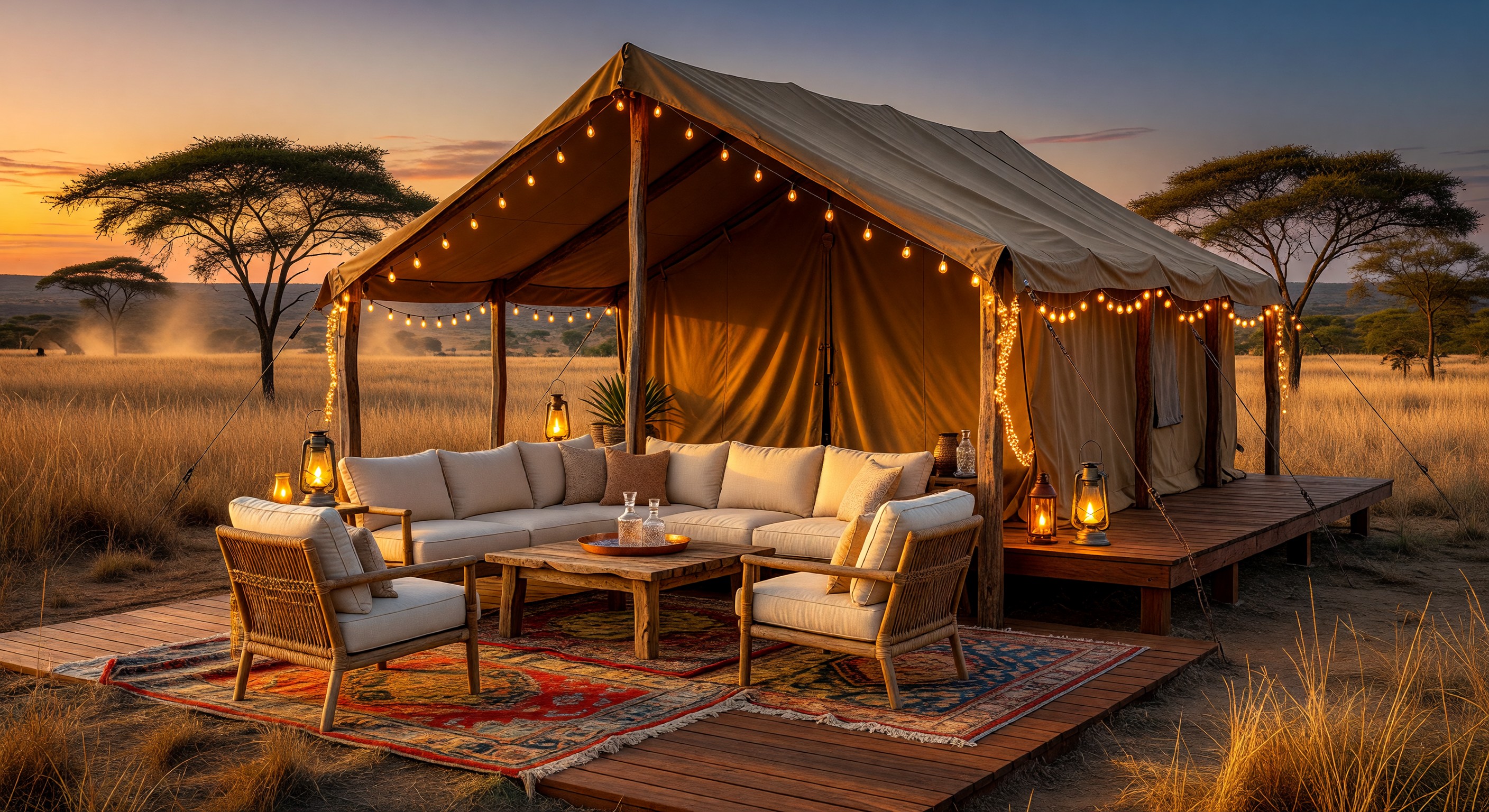
Glamping — the intersection of camping and luxury accommodation — has grown from a niche offering to a mainstream hospitality category. Safari tents, yurts, treehouses, airstream trailers, and geodesic domes now appear on the inventory lists of parks ranging from small boutique operations to large resort campgrounds.
The reservation software needs of a glamping operation differ meaningfully from those of a traditional campsite-based park. Standard campground platforms may not handle them well. Here’s what to evaluate.
The Core Difference: Unit-Based vs. Site-Based Thinking
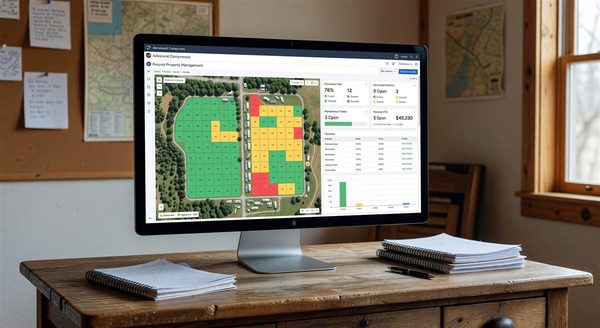
Traditional campground reservation software is built around the concept of “sites” — standardized spaces that host a guest’s own equipment. Site 42 is an electrical hookup in a defined location. All guests bring their own sleeping setup.
Glamping inventory is accommodation-based. A safari tent is a specific unit with its own furnishings, capacity, amenities, and housekeeping requirements. The guest doesn’t bring their own accommodation — they’re staying in yours.
This shift from site to unit changes several software requirements:
Accommodation-specific content. Each glamping unit should have its own photos, description, amenity list, and pricing — not just a site type. A platform that treats all safari tents as identical misses the opportunity to let guests choose the specific unit with the view they want.
Housekeeping and readiness tracking. A campsite doesn’t need to be “made up” between guests. A glamping tent does. Your software needs to track turnover status, link cleaning tasks to departures, and prevent new arrivals from being assigned to units that aren’t ready.
Pricing by unit, not just by type. If your premium treehouse with the mountain view commands a higher rate than your entry-level unit, the software needs to support per-unit pricing variation.
Minimum Stay and Booking Rules
Glamping operations typically require minimum stays more consistently than traditional campgrounds. Two-night minimums on weekends and three-night minimums on holidays are standard. The software should make these rules easy to configure at both the accommodation type and individual unit level.
Some platforms also support gap-filling rules — automatically requiring longer minimum stays around existing reservations to prevent unsellable single-night gaps. This is particularly useful for glamping where setup cost per booking is higher.
Add-On and Package Management
Glamping guests often expect curated experiences: welcome wine packages, s’mores kits, guided hikes, couples spa treatments, catered breakfasts. Your reservation system should support add-on products that guests can select at booking.
Look for platforms where:
- Add-ons are clearly presented during checkout, not buried
- Add-on revenue is tracked separately from accommodation revenue in reports
- Add-on fulfillment generates internal task notifications for the relevant team (kitchen, activities desk)
Integration with OTAs and Vacation Rental Platforms
Glamping properties often appear on both traditional campground OTAs (Hipcamp, Glamping Hub) and vacation rental platforms (Airbnb, VRBO). The revenue potential of vacation rental platforms is significant — glamping units can command rates comparable to rural vacation rentals.
This multi-channel presence requires robust channel management. Inventory must synchronize in real time across all connected platforms to prevent double-bookings. If your campground reservation platform can’t connect to vacation rental channels, you’ll need a channel manager middleware solution — or a platform built for both markets.
Guest Communication Differences
Glamping guests have higher service expectations than typical campers. Pre-arrival communication should include:
- Detailed directions and parking instructions
- Information about what’s provided (linens, towels, kitchen supplies)
- Check-in time and process
- Contact information for issues
- A clear picture of what the property does and doesn’t include
Automated pre-arrival emails should be rich and specific — not the generic “your reservation is confirmed” that suffices for a hookup site.
Security Deposits and Damage Policies
Unlike campsites, glamping accommodations contain significant furnishings that can be damaged. Many operators collect a security deposit at booking, released after checkout inspection. Your software should support this workflow — holding a deposit authorization without charging, then capturing or releasing based on the outcome of checkout inspection.
Recommended Platform Approaches
Some campground platforms have added glamping functionality to their core product with varying success. Others were built specifically for accommodation-based outdoor hospitality.
When evaluating, run the same unit through a full demo booking — from initial search to checkout — with add-ons, deposit handling, and post-stay review request. This end-to-end test reveals gaps that feature lists don’t.
Frequently Asked Questions
Can I use a standard campground reservation system for glamping units? Possibly, but check carefully. Many standard campground platforms handle unit differentiation, but housekeeping workflow, per-unit pricing variation, and vacation rental channel connections are often missing or limited.
Should I list my glamping units on Airbnb or VRBO? These platforms have much higher consumer traffic than camping-specific OTAs, and glamping units often perform well there. The trade-off is that Airbnb/VRBO guests may have different expectations than campers — evaluate whether your operation can meet hotel-level service expectations.
How do I handle minimum stay rules during slow seasons? Many operators relax minimum stays during off-peak periods. Configure your system to apply minimum stays selectively by date range rather than universally — this gives you peak-period revenue protection without blocking shorter bookings when demand is lower.
What’s a reasonable per-unit profit margin for glamping compared to campsites? Per-unit revenue is typically 2–4x that of an RV hookup site, but so are costs — furnishing, housekeeping labor, and maintenance. Most operators find glamping units generate higher absolute margins per unit at occupancy levels above 50–60%.
Further Reading from Authoritative Sources
- ARVC glamping operations and outdoor accommodation technology resources — ARVC tracks glamping adoption trends across the campground industry and publishes guidance on the operational and technology requirements specific to accommodation-based outdoor hospitality that differ from traditional campsite management.
- Glamping accommodation types and hospitality category overview — Wikipedia’s glamping article provides authoritative background on the accommodation category definition and the range of unit types that require the unit-based reservation software approach described in the article.