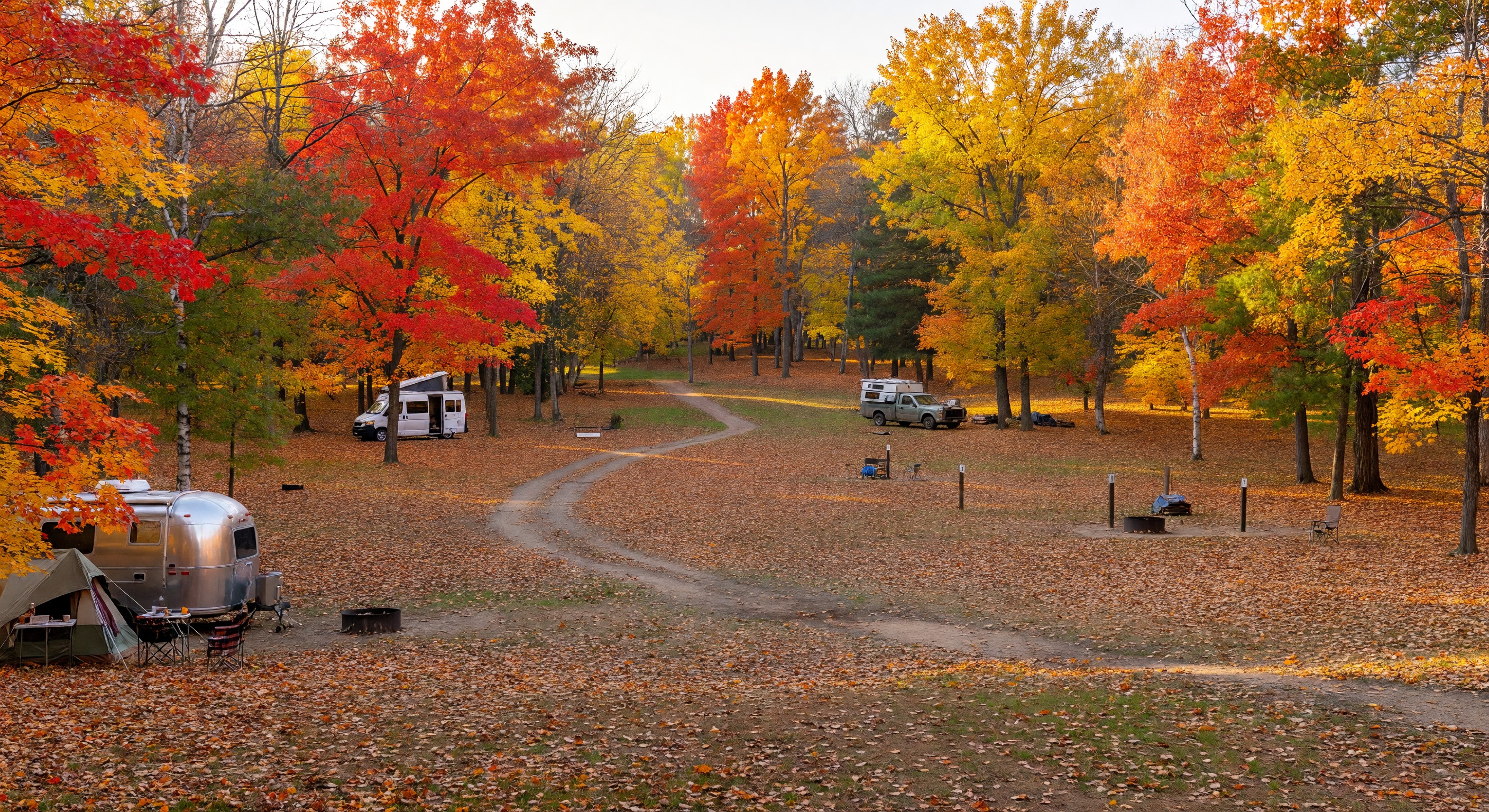
For campgrounds in seasonal markets, the difference between a profitable year and a tough one often comes down to shoulder season performance. Peak summer weekends are full — almost regardless of what you do. The 14–18 weeks of spring and fall shoulder season, where occupancy might otherwise drop to 30–50%, is where operational excellence and smart strategy create real financial impact.
Understanding Your Shoulder Season Guest
The first step in improving shoulder season performance is understanding who your shoulder season guests actually are:
Retirees and empty nesters have schedule flexibility that working-age adults don’t. They travel mid-week and in shoulder months when parks are quieter and rates are lower. If your park is appropriate for this demographic, it’s your most important shoulder season segment.
Leaf-peepers and fall foliage travelers in northern markets create a distinct October mini-peak. Parks in prime foliage corridors can see fall occupancy rival early summer.
Remote workers who can work from anywhere increasingly use campgrounds for week-long or extended working stays during shoulder months. A site with reliable power and wifi is their office.
Adventure sports enthusiasts — mountain bikers, hikers, hunters, anglers — have activities that peak in shoulder months. Understanding the seasonal outdoor activities in your area identifies potential shoulder season demand sources.
Event campers attend local festivals, antique shows, marathons, and other events that don’t necessarily align with summer camping season. Identifying events within 30 minutes of your park and targeting attendees is a high-conversion shoulder season strategy.
Pricing Adjustments That Actually Work
The instinct to slash prices in shoulder season is understandable but often ineffective at restoring occupancy on its own. Price reduction should be paired with the right marketing to reach price-responsive guests.
Tiered rate reduction: Rather than a blanket 20% discount, try more targeted reductions:
- Weekday rates 25–30% below weekend rates (shoulder season weekdays are the hardest to fill)
- “Extended stay” discounts for 5+ night stays
- Specific “event rate” promotions tied to local events
Value-add promotions: Instead of or alongside price reductions, offer something that makes shoulder season distinctly attractive:
- Complimentary firewood in October
- Free site upgrade for 5+ night stays
- “Kids camp free” for family-oriented fall promotions
Non-refundable discounts: Offer a 10–15% discount for non-refundable advance bookings. Guests who commit early get the savings; you get revenue certainty.
Marketing to Shoulder Season Segments
Peak season marketing is relatively easy — the demand is there. Shoulder season marketing requires reaching the right guests with the right message:
Email your existing guest list in August with a “fall at the park” preview. Past guests are your highest-converting audience for shoulder season promotions. Show them the foliage, the uncrowded campfire atmosphere, the lower rates.
Target retiree and 55+ camping communities through Facebook Groups, camping club newsletters, and RV lifestyle forums. These guests have the time to take advantage of your shoulder season availability and often book directly from community recommendations.
List on OTAs with competitive shoulder season rates. Some OTAs have strong shoulder season visibility — travelers who are searching flexibility rather than peak dates. Ensure your shoulder season availability and rates are accurate and visible.
Partner with local event organizers. The fall festival, the marathon, the hunting season opener — connect with organizers and ask to be included in their attendee communications as the recommended overnight option.
Product Development for Shoulder Season
Sometimes the issue isn’t marketing — it’s that your product isn’t compelling for shoulder season guests. Investments that improve shoulder season appeal:
Heated bathhouses. Cold showers in October are a deal-breaker for comfort campers. Heated water and warm bathroom spaces extend the comfortable camping season meaningfully.
Full hookup sites. Guests who want to camp in cooler weather typically need hookups for their heating systems. Parks with primarily primitive sites struggle more in shoulder season.
Programmed activities. Leaf-peeping hikes, harvest themes, fire safety education for kids — activities designed for the shoulder season create reasons to visit beyond just having a campsite.
Frequently Asked Questions
How much can shoulder season strategy realistically improve annual revenue? Parks that actively work their shoulder season typically see 10–25% improvements in fall and spring occupancy compared to passively waiting for demand. For a park generating $400,000 in peak-season revenue, even a 15% improvement in a 12-week shoulder period can add $30,000–$50,000 annually.
Should I stay open during the off-season or close entirely? This depends on your market, climate, and cost structure. If you can generate at least enough off-season revenue to cover your fixed costs and a small profit, staying open is worth it. If off-season revenue barely covers the cost of staying open, closing and directing resources toward shoulder season is often more profitable.
Is social media effective for shoulder season marketing? Yes, particularly Instagram and Pinterest for visual destinations. Photos of fall foliage, misty morning campfires, and uncrowded sites perform well in these visual channels. The key is posting content that specifically highlights the shoulder season experience rather than summer peak content during a time when guests are thinking about fall.
What’s the biggest mistake operators make about shoulder season pricing? Lowering rates too early or too broadly. Dropping rates in early September — when fall demand is still building — trains guests to wait for discounts rather than booking at regular rates. Deploy shoulder season promotions specifically for the periods that need help, not as a blanket early season discount.
Further Reading from Authoritative Sources
- ARVC campground shoulder season occupancy benchmarks and revenue management strategies — ARVC’s revenue management and benchmarking resources provide campground operators with occupancy and ADR data by season, enabling comparison of shoulder season performance against industry peers.
- Go RVing consumer research on seasonal camping behavior and shoulder season travel motivations — Go RVing’s consumer research on camping motivation and trip planning timing documents the segments most likely to camp during shoulder season and the factors that influence their destination selection.