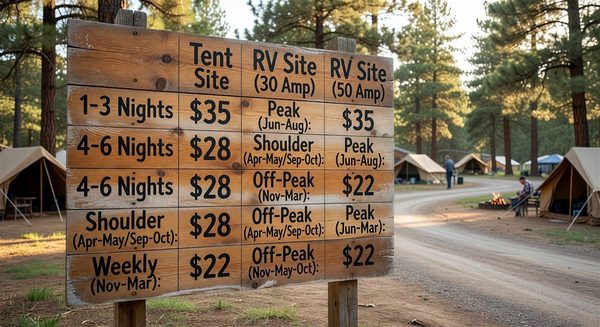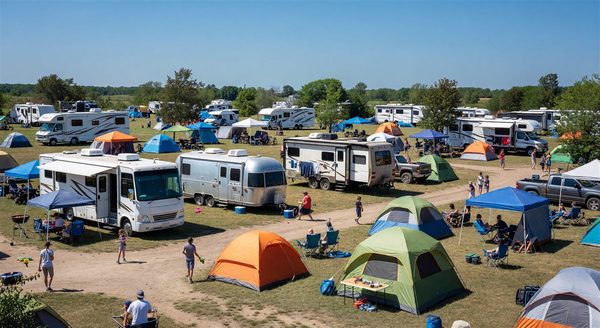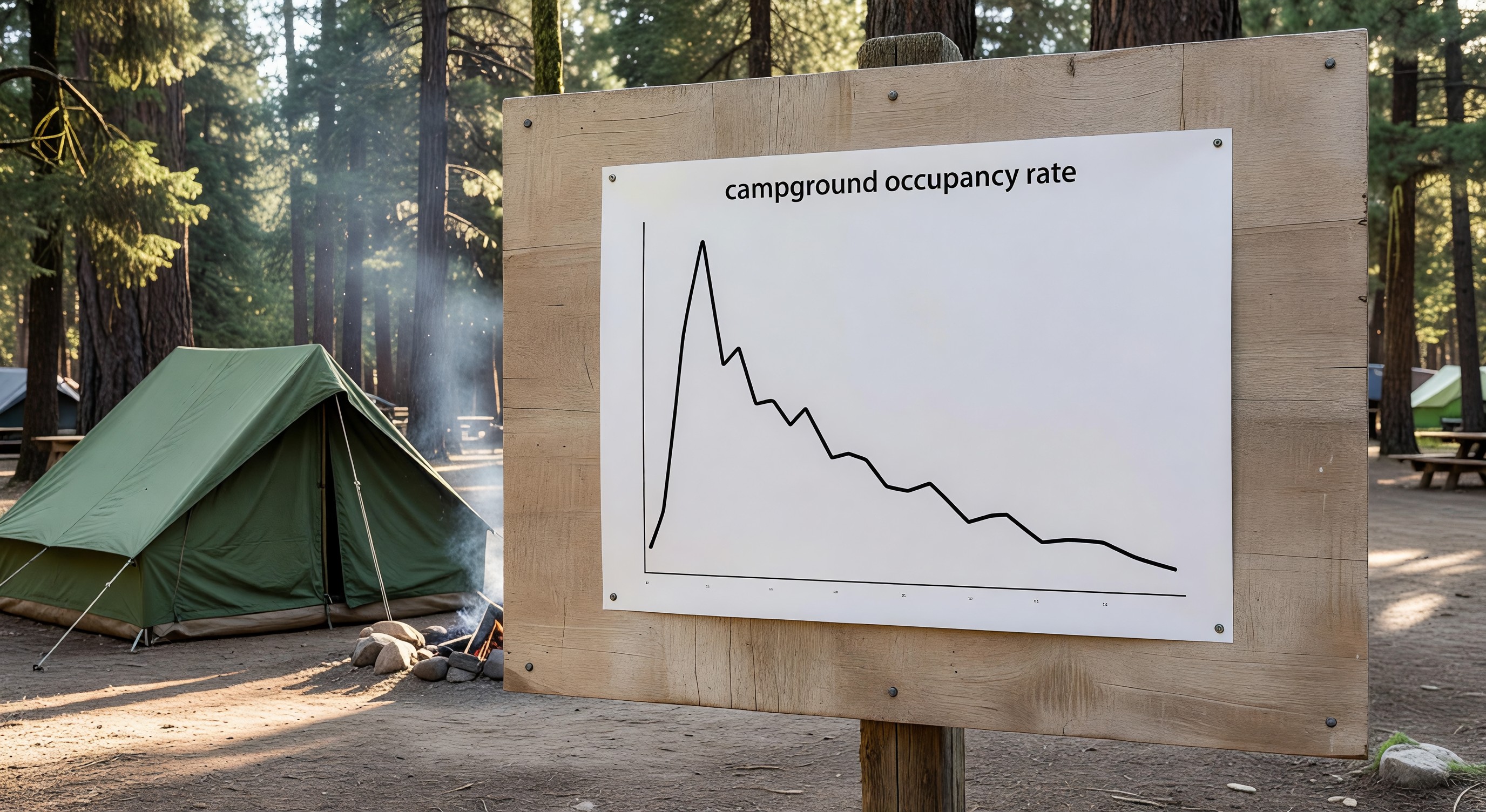
The campground industry experienced extraordinary demand conditions in 2020 and 2021. Parks that couldn’t fill every site on a summer weekend before the pandemic were turning away guests. Rates rose, minimum stays lengthened, and cancellation policies tightened — all rational responses to a genuine supply-demand imbalance.
By late 2023, the picture is more nuanced. Outdoor recreation participation remains elevated above pre-pandemic levels, but the frenzy has eased. Guests have more options than they did two years ago, and pricing that was defensible in a near-zero-supply environment now requires more careful justification.
How Demand Has Shifted
Several dynamics are affecting demand in the 2023–2024 period:
New supply has entered the market. The camping boom inspired significant investment in new campgrounds, glamping properties, and RV resort development. Supply constraints that drove the 2021 peak are less acute in many markets.
Consumer spending priorities have shifted. Inflation and post-pandemic travel normalization have redistributed travel spending back toward international travel and indoor hospitality, reducing the relative captive demand for camping.
First-time camper attrition. A portion of the new campers who discovered camping in 2020–2021 didn’t continue. The segment who weren’t natural campers tried it, didn’t love it, and returned to their prior travel preferences. The sustained base is smaller than the peak suggested.
Booking windows have lengthened somewhat but remain sensitive. Guests who scrambled to book months in advance at the peak are now more deliberate — they’re booking, but later, and with more price sensitivity.
Pricing Calibration Questions for Operators
Rather than prescribing specific rate levels, the right approach is to use your own occupancy data to calibrate:
At what occupancy level are you running for peak weekends? If you’re still hitting 95%+ occupancy at current rates on summer weekends, you may still be underpriced. If you’re at 75–80%, your rates are in range. Below 70% on peak weekends indicates a pricing or positioning problem.
Where are you losing bookings? Review your abandoned booking data, your OTA listing analytics, and your inquiry-to-booking conversion rate. If guests are looking but not booking, price is a likely factor — or perceived value relative to price.
How do your rates compare to comparable parks in your area? Check your competitive set quarterly. If neighbors have lowered rates to attract guests, your relative positioning has changed.
Strategies for Demand Normalization
Tiered pricing rather than blanket rate reductions. Reduce rates for days that are underperforming (mid-week, shoulder season, slow weekends) while maintaining premium rates for genuinely high-demand periods. This protects your revenue ceiling while improving fill in soft periods.
Value-add rather than price-cut. Adding a welcome amenity bundle, a free firewood delivery, or a complimentary camp store credit costs you less than a rate reduction while improving perceived value.
Minimum stay relaxation in shoulder periods. If you still have 2-night weekend minimums in October in a northern market, relax them. Capturing 1-night bookings at full rate is better than empty sites.
Direct booking incentives. Offer a 5% discount for direct bookings (bypassing OTA commission) while maintaining OTA rates. This shifts mix toward direct, improves your margin, and gives price-sensitive guests a path to savings without broadly cutting rates.
Loyalty rate for returning guests. A returning guest offer — “As a returning guest, here’s a rate reserved for you” — rewards loyalty while improving retention without cutting your public rate card.
Frequently Asked Questions
Should I cut rates aggressively if occupancy is down significantly from 2021? Compare your 2023 occupancy to 2019, not 2021. If you’re still running above 2019 levels at current rates, you’re in a good position even if 2021’s extraordinary peak has passed. Chasing 2021 occupancy by dramatically cutting rates may not be achievable or necessary.
How do I know if my pricing is causing booking abandonment vs. other factors? A/B test rate levels on specific dates — lower the rate on a few dates in a controlled way and track whether bookings increase proportionally. If they do, the issue is price. If not, examine other factors: your booking page UX, your OTA positioning, or simply demand in your market.
Are guests more price-sensitive in 2023 than they were in 2021? For most markets, yes — the extreme seller’s market of 2021 is not the current environment. Guests have more options and are more willing to compare. That said, price sensitivity varies significantly by market, property type, and guest segment. Premium glamping and destination parks continue to command premium rates with less elasticity than standard RV sites.
What’s the right response if a competitor dramatically undercuts my rates? Resist the instinct to match immediately. First, determine whether the competitor is genuinely winning bookings from you — not all price cuts translate to booking volume. If they are capturing your guests, consider whether matching their rate is sustainable for you operationally, or whether a value differentiation strategy (better amenities, better service) is the right response.
Further Reading from Authoritative Sources
- ARVC campground pricing strategy and industry demand research — ARVC tracks campground industry demand and pricing trends and provides revenue management guidance for operators navigating post-pandemic market normalization — directly relevant to the pricing strategy questions this article addresses.
- Revenue management and dynamic pricing principles — Wikipedia’s revenue management article provides the foundational principles of dynamic pricing and demand forecasting that the campground-specific tools described in this article are built on, giving readers the conceptual framework before evaluating specific products.