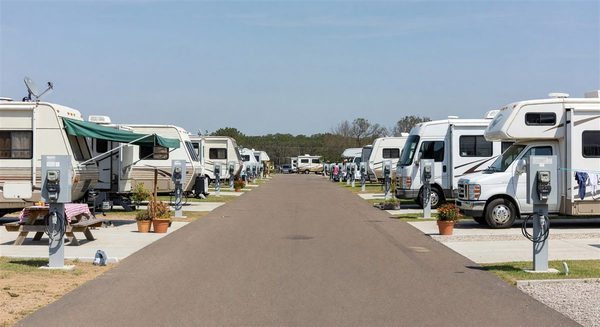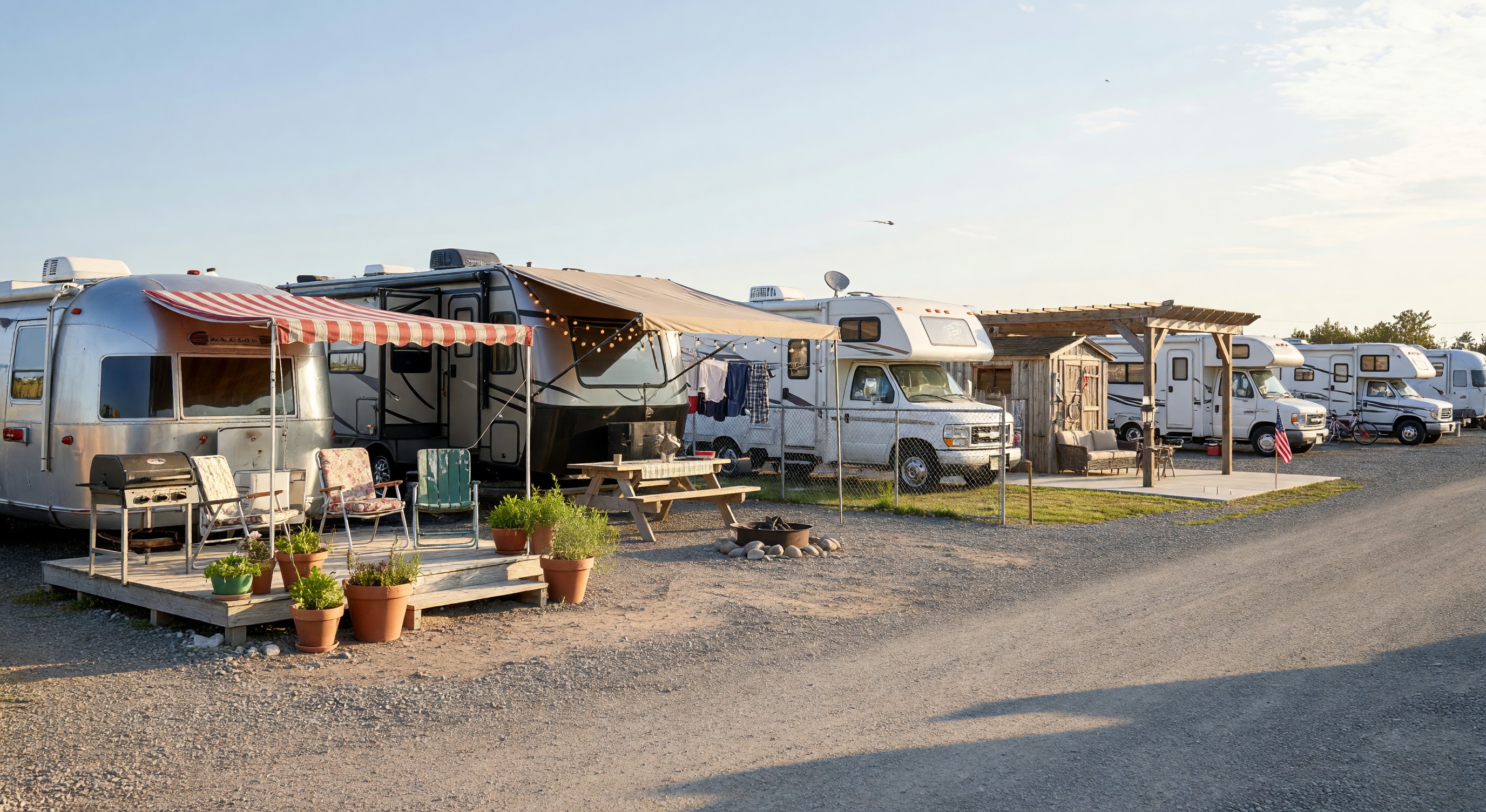
Long-term RV stays — monthly, seasonal, or year-round — represent a distinct business within many campgrounds and RV parks. The guests are different, the revenue model is different, and the management challenges are different from the short-term recreational camping that most reservation systems are designed around.
For parks that host a significant long-term population, treating this segment with its own dedicated processes is essential. For parks considering adding long-term stays to their business mix, understanding the unique requirements helps set realistic expectations.
The Spectrum of Long-Term Stays
“Long-term” in the campground context covers a range:
Monthly stays (1–3 months): Common among snowbirds who winter in southern markets, travelers doing extended regional exploration, or remote workers taking a working vacation. These guests have different expectations from weekend campers but a lighter footprint than truly permanent residents.
Seasonal stays (3–6 months): Full snowbird winters, summer seasonals at northern parks. Often involve a dedicated section of the park designated for seasonals, with more personalized setups and stronger community bonds.
Year-round stays: In some markets, year-round RV living is the guest’s primary housing. This creates a landlord-tenant relationship with associated legal complexity that varies dramatically by jurisdiction.
Reservation and Agreement Differences
Long-term stays should not be managed through a standard reservation booking flow. They require a formal written agreement that functions more like a lease than a reservation:
Key elements of a long-term stay agreement:
- Specific site assignment
- Start and end date
- Monthly rate and payment schedule
- What’s included (electrical, water, sewer, WiFi, amenities)
- Guest responsibilities (site maintenance, waste management, vehicle limits)
- Rules and conduct standards
- Termination provisions (how either party ends the agreement early)
- Renewal terms
Verbal agreements and standard booking confirmations are insufficient for long-term stays. A signed written agreement protects both parties.
Billing for Long-Term Stays
Monthly billing for long-term guests typically differs from standard prepay booking:
Monthly billing cycle: Most parks bill monthly, either on the 1st of each month or on the guest’s anniversary date. Automated recurring billing through your payment processor saves staff time and reduces late payment issues.
Electrical billing: Long-term guests may be separately metered for electricity, with electrical usage billed on top of their site rate. This requires either submetered electrical service or a flat rate structure that accounts for heavy users. The electrical billing discussion is one of the most sensitive in long-term RV park management.
Deposit: A security deposit (typically one month’s rent) is standard for long-term stays. Document the deposit, its terms, and return conditions in the written agreement.
Late fees: Define and communicate late fee policies clearly. A consistent policy applied uniformly is your protection against disputes.
Managing the Long-Term Guest Relationship
Long-term guests develop a sense of place and community in ways that weekend campers don’t. This has both positive and challenging implications:
Positive: Long-term guests who feel at home become park advocates, help build community culture, self-police rule compliance, and provide stable revenue.
Challenging: Long-term guests may push back on rule enforcement, develop expectation of special treatment, personalize their sites in ways that create maintenance issues, and resist site moves when operational needs require it.
Managing long-term guests requires relationship skills as much as operational skills. Clear, consistent enforcement of rules from the first month — rather than leniency that becomes an expectation — establishes the right dynamic early.
Reservation System Considerations
Most campground PMS platforms were designed for short-term reservations and struggle with long-term stay management. Specific gaps to watch for:
Monthly recurring billing — native support varies widely; some systems require manual invoice creation monthly
Lease/agreement document management — most reservation systems don’t store signed agreements alongside the guest record; you’ll need a supplementary document management approach
Electrical sub-metering integration — long-term electrical billing integration is rare in standard campground PMS; separate metering software or manual tracking is common
Long-term site hold management — ensuring a site stays assigned to a monthly guest throughout their stay without creating individual “reservations” for each month
Frequently Asked Questions
At what point does a long-term RV guest become a tenant under landlord-tenant law? This varies by jurisdiction and is genuinely complex. In many states, stays exceeding 30 days trigger landlord-tenant protections, limiting your ability to remove guests and governing deposit rules. Consult with an attorney familiar with your state’s laws before allowing stays beyond 30 days if you’re unsure of the legal implications.
Should I dedicate specific loops or sections to long-term guests? Generally yes. Long-term guests and short-term campers have different rhythms, setup styles, and expectations of their neighbors. Mixing them in the same area often creates friction. Dedicated long-term sections allow you to manage community expectations separately.
How do I handle a long-term guest who stops paying? Your agreement should specify late fees and a termination trigger (e.g., 10 days past due). Follow your process consistently and document everything. Where landlord-tenant law applies, eviction must follow legal procedure — consult local counsel before taking action you’re uncertain about.
Should I offer long-term rates that are significantly lower than monthly calculations of my daily rate? Long-term rates should reflect the lower overhead of stable occupancy (no frequent turnovers, predictable cleaning needs) while not being so discounted that they undermine your short-term rate structure. A discount of 15–25% from multiplied daily rates is a common and defensible range.
Further Reading from Authoritative Sources
- ARVC RV park long-term stay management standards and model agreement resources — ARVC provides campground operators with operational guidance and model documents for long-term resident management, including lease agreement templates and state-specific landlord-tenant law overviews.
- RVIA data on full-time RV living trends and long-term park residency demand — RVIA tracks the segment of Americans living full-time in RVs, providing data on the demographic and market trends driving long-term campground residency demand.