Special events — themed weekends, festivals, holiday gatherings, racing rallies, group retreats — can transform a campground’s revenue profile. A well-executed event fills inventory on otherwise slow weekends, attracts new guests who might not have discovered the campground otherwise, and creates the kind of memorable experience that drives repeat visits and word-of-mouth.
Managing these events — from planning and promotion through registration, execution, and follow-up — benefits from systematic tools and processes that prevent the chaos that can undermine even well-conceived events.
Types of Campground Special Events
Themed holiday weekends: Fourth of July, Halloween, Memorial Day, and Christmas/New Year celebrations that add programming and decoration to an otherwise standard camping experience. These events typically have lower planning overhead since they use the existing campground infrastructure.
Music festivals and concerts: Live music events that draw both campers and day-use attendees. These require more extensive planning: stage and sound equipment, performer contracting, alcohol licensing if applicable, crowd management, parking management.
Specialty rallies: RV club gatherings, vintage trailer rallies, off-road vehicle rallies that attract groups with specific interests. Often organized by the club itself; the campground provides the venue and infrastructure.
Family programming weekends: Structured activities for families with children — scavenger hunts, crafts, organized games, nature programming — that create a full-service family resort experience for a weekend.
Corporate retreats and group events: Team-building events, company picnics, or corporate gatherings that use campground facilities in a group configuration. Higher per-person revenue but more demanding logistics.
Planning Framework for Major Events
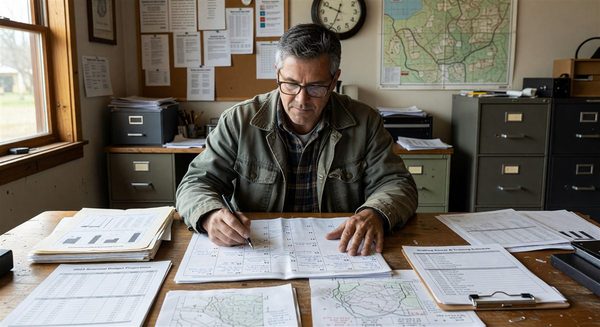
Major campground events require planning that begins weeks or months in advance. A structured planning framework prevents important elements from being missed.
12+ weeks before event:
- Define event scope, format, and target audience
- Establish budget with realistic projections
- Secure any required permits (alcohol permit, special event permit, noise variance)
- Book performers, speakers, or activity providers
- Open event registration if advance sign-up is required
8 weeks before:
- Launch marketing campaign to your guest database and local area
- Finalize event schedule and programming details
- Confirm all vendor relationships and service provider contracts
- Assign staff roles for the event
4 weeks before:
- Confirm registration numbers and make any capacity adjustments
- Finalize logistics plan (parking, flow, setup schedule)
- Order event supplies and materials
- Brief all staff on event plan and their specific roles
1 week before:
- Complete event setup that can be done in advance
- Final staff briefing and walkthrough
- Confirm all vendor arrivals and setup times
Event execution and post-event:
- Post-event debrief with staff
- Guest feedback collection
- Financial reconciliation
- Documentation of what worked and what didn’t for future planning
Event Registration Technology
For events with limited capacity or paid registration, a registration platform is essential.
Eventbrite: The most widely used event registration platform for small-to-medium events. Free for free events, percentage-based fee for paid tickets. Handles registration, payment, QR code ticket generation, and attendee management. Well-recognized by attendees who may already have accounts.
Your campground reservation system: Some campground PMS platforms support event registration as an add-on to site reservations, allowing guests to book a site and register for the event in a single transaction. This integrated approach is the most seamless for events tied to overnight camping.
Custom registration: For recurring events with a loyal following, a simple custom registration form (Google Forms, Jotform, Typeform) with manual payment processing may be adequate and more flexible than third-party platforms.
Day-use attendee registration: If your event attracts non-camping day-use guests, their registration and payment should be handled through a system that integrates with or informs your access control — so gate staff know who’s authorized to enter without a site reservation.
Operational Setup for Large Events
Events that bring more people onto the property than normal operations require operational adjustments.
Temporary facilities: Additional porta-potties, supplemental trash containers, temporary seating and shade structures. Sizing these based on expected attendance — not minimum need — prevents the problems that arise from undersized temporary infrastructure.
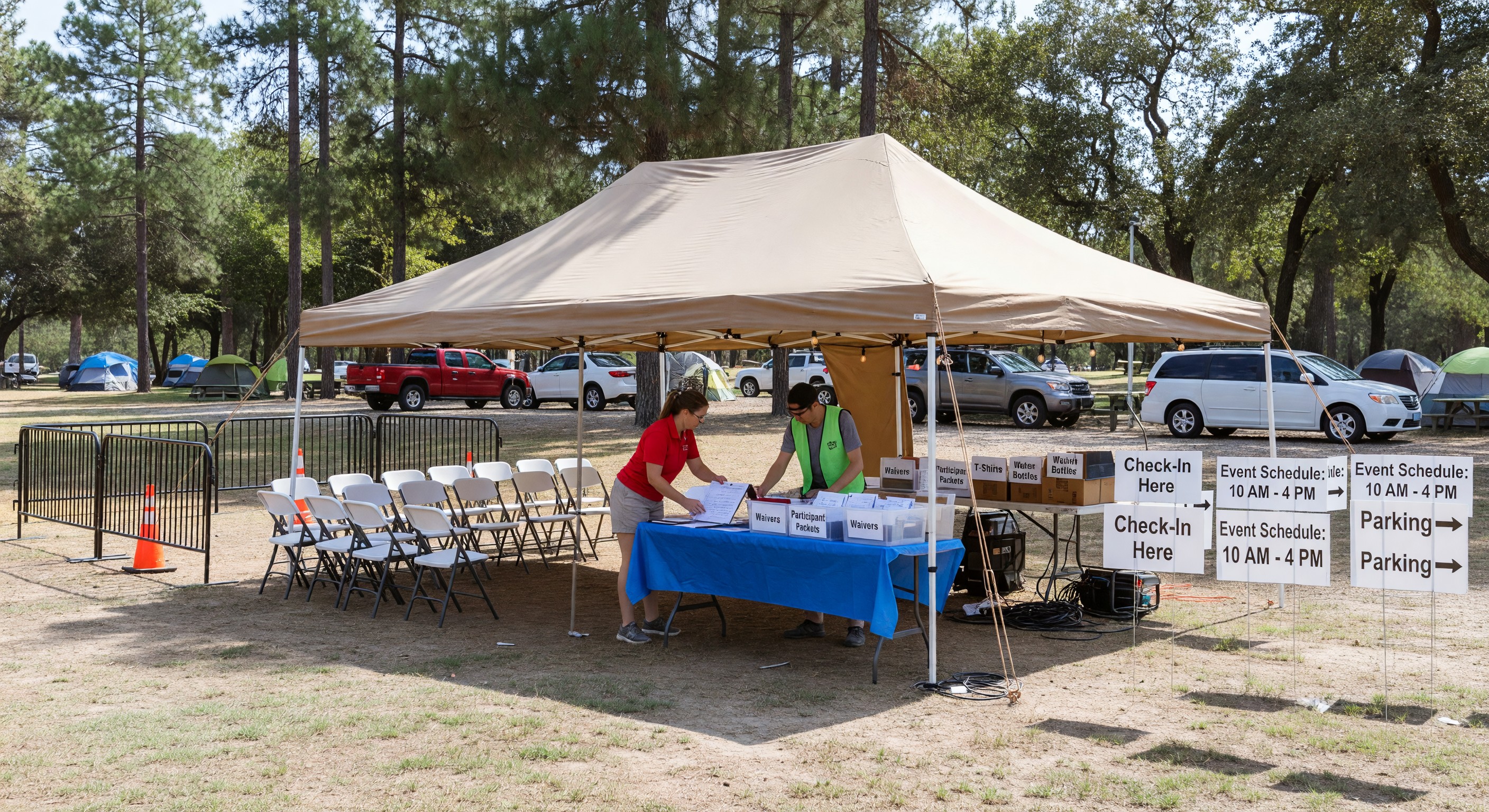
Parking management: Day-use event attendees need parking that doesn’t conflict with camper traffic flow. Designating specific overflow parking areas and staffing traffic control at peak arrival periods prevents the gridlock that sours event experiences.
Staff augmentation: Major events require more staff than normal operations. Plan for additional gate staff, activities staff, trash collection, and general property monitoring. Brief augmented staff specifically on the event’s unique requirements — what’s different from a normal operating day.
Vendor management: Food trucks, craft vendors, activity providers, and entertainment all need coordination: assigned locations, power access if needed, arrival and departure scheduling, and clear communication about setup requirements.
Frequently Asked Questions
Do I need a special permit for a music festival at my campground? Very likely yes. Events with amplified music typically require: noise permits or variances, special event permits from the local municipality, crowd assembly permits above certain attendance thresholds, and separate permits for temporary structures (stages, large tents). If alcohol is sold, a special event liquor license is required in most jurisdictions. Start permit applications early — some require 30–90 days advance notice. Your local municipality’s special events office is the starting point.
How do I price a special event weekend? Special event pricing typically carries a premium over standard site rates — 20–50% or more depending on the event’s draw. The premium should reflect the value of the event programming, the scarcity of inventory during the event, and any additional operational cost. Day-use event admission (separate from overnight site fees) creates additional revenue from non-camping attendees.
What happens if I need to cancel an event after registration is open? Have a clearly stated cancellation policy in your event registration terms before you open registration. Full refunds for operator-initiated cancellations are standard. Communicate cancellations as early as possible through all channels used for promotion. If cancellation is due to weather, knowing your weather cancellation threshold in advance (cancellation for forecasted 60%+ chance of thunderstorms, for example) allows timely decisions rather than last-minute calls.
How do I measure event success? Primary metrics: total revenue from event (site fees + event admission + ancillary spend), occupancy rate for event weekend vs. prior year same weekend, new-to-campground guest percentage (what percentage of event attendees had never visited before). Secondary metrics: guest satisfaction scores from event-specific post-visit survey, social media engagement from event content, advance reservations from event attendees for future dates. A post-event financial summary compared to projections, completed within a week of the event, creates the learning record that makes each subsequent event better planned.
Further Reading from Authoritative Sources
- ARVC campground event programming and special events operations guidance — ARVC provides event programming guidance for campground operators and tracks the revenue impact of special events on seasonal occupancy performance, making it the most relevant trade authority for campground event strategy.
- NFPA fire safety and crowd management standards for outdoor events — NFPA 101 (Life Safety Code) and NFPA 1 (Fire Code) establish safety requirements for outdoor events and temporary structures that campground operators must consider when planning special events that bring significantly elevated attendance.