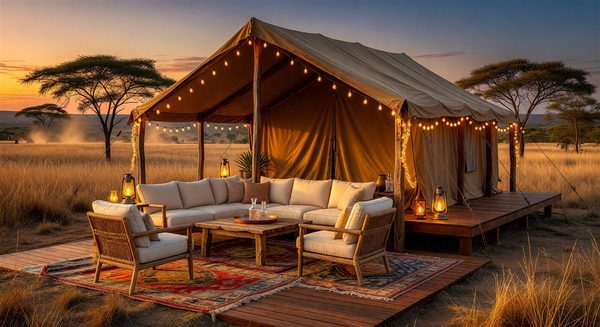
Glamping has matured from a novelty to a mainstream hospitality category, and with that maturation has come increased guest expectations. The travelers booking a $350/night safari tent or a $500/night treehouse are comparing their experience not just to other glamping properties but to boutique hotels. They expect curated amenity experiences that justify the premium.
Technology-enabled amenities have become a meaningful differentiator in the glamping market. Here’s what’s being deployed and what the operational realities are.
Smart Climate Control
The most common complaint at glamping properties is temperature — either too hot or too cold. Unlike a hotel room with a simple wall thermostat, glamping units often have less predictable thermal characteristics based on the unit type (canvas walls retain less heat than hard structures), the site’s solar exposure, and the season.
Mini-split HVAC systems with smart thermostats: Mini-splits (ductless heat pump systems) are well-suited to glamping units because they require no ductwork and can be installed in nearly any structure. Pairing them with smart thermostats (Nest, Ecobee, or commercial property management thermostats) allows remote monitoring, pre-arrival climate setting (arrive to a comfortable unit), and post-departure automatic temperature setback.
Electric radiant heating: In structures where full HVAC isn’t practical, electric radiant panels provide supplemental heating controllable from a phone app or wall panel. Lower installation cost than mini-splits but limited cooling capability.
Smart temperature monitoring: Even without full smart HVAC, a temperature monitoring device in each unit alerts staff when temperatures are outside a comfortable range. This allows proactive maintenance (the heater failed in cabin 7 before the next guests arrive) rather than guest complaints.
Smart Lighting
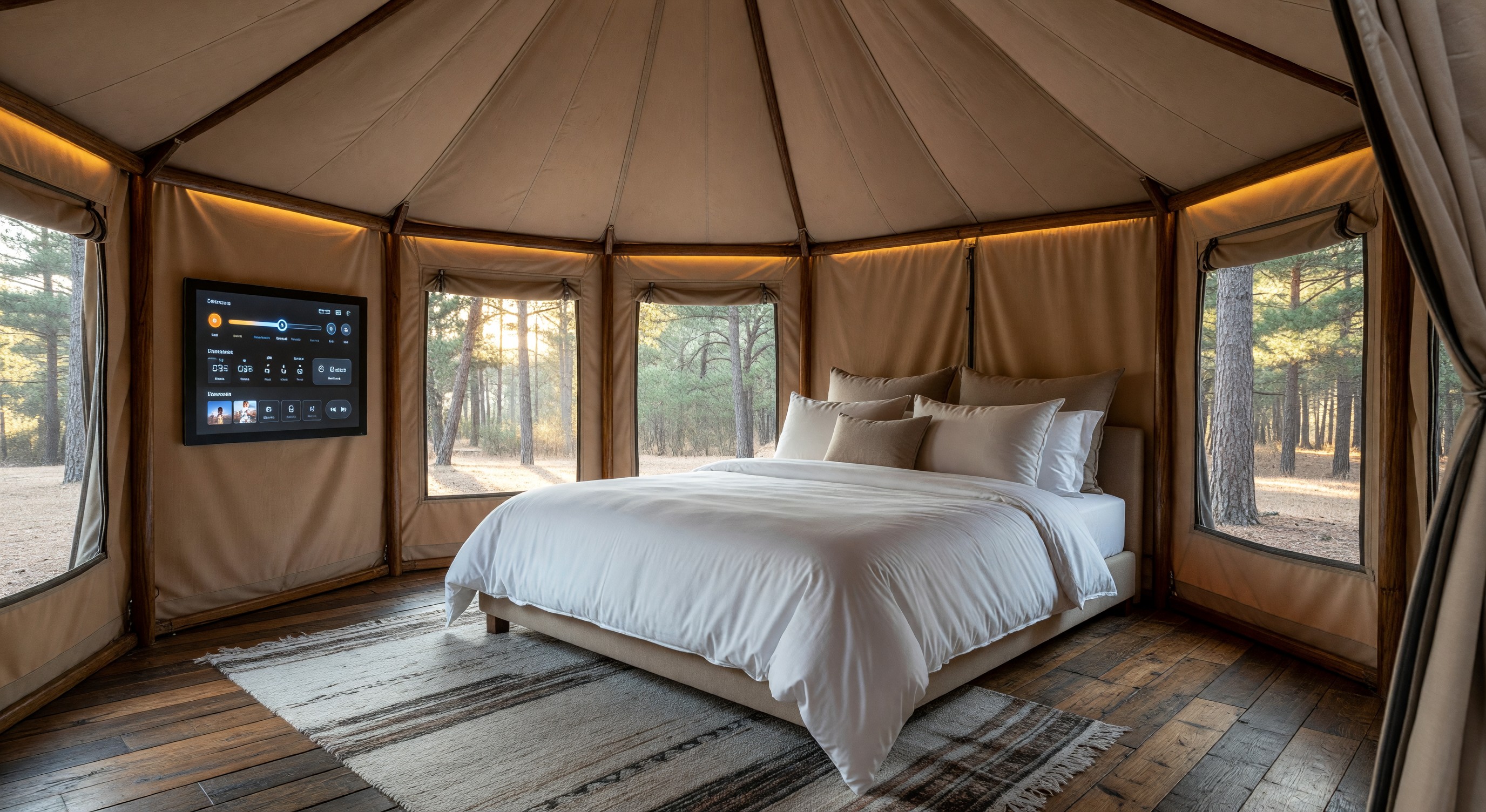
Scene-based lighting control: The ability to set a “welcome” scene when guests arrive — warm, low lighting — versus a “reading” scene versus “dinner” creates the ambiance flexibility that distinguishes glamping from camping. Smart bulb ecosystems (Philips Hue, LIFX) or smart switch systems allow app or voice control.
Automatic sunrise/sunset schedules: Exterior lighting that automatically turns on at sunset and off at sunrise reduces staff overhead while ensuring guests aren’t arriving to a dark unit.
Pathway lighting: Smart pathway lighting on a schedule or motion-sensor activation improves safety on dark nights without leaving lights running continuously.
In-Unit Entertainment
Glamping guests increasingly expect entertainment options comparable to hotels:
Smart TVs: Even in “nature immersion” glamping experiences, a large smart TV with streaming app access is expected in premium units. Ensure WiFi signal reaches each unit at sufficient strength for streaming.
Bluetooth audio systems: A quality Bluetooth speaker built into the unit lets guests play their own music without bringing equipment. This is a relatively low-cost amenity that guests consistently mention positively.
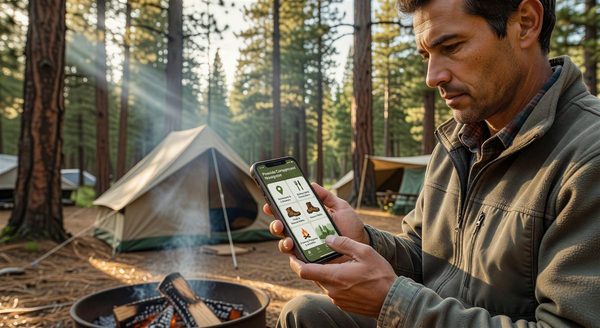
Curated local content: A tablet or smart TV app that curates local restaurant recommendations, hiking trail information, activity schedules, and park information elevates the experience and reduces information-request calls to staff.
Outdoor Amenity Technology
Hot tubs and cold plunge tubs: A private hot tub is one of the highest-value glamping amenities. Smart tub controllers allow remote temperature management, maintenance scheduling, and occupancy monitoring (is the tub currently in use?).
Fire features: Auto-ignite propane fire pits eliminate the friction and skill barrier of campfire-building while providing the ambiance. Smart fire control allows guests to adjust flame height from a phone.
Outdoor string lighting: Timer-controlled outdoor lighting creates a magical atmosphere without staff intervention. Smart lighting allows adjustment for different occasions (romantic settings, family settings).
The Operational Side of Smart Amenities
Adding technology to each unit multiplies your maintenance surface area. Every smart device is a potential failure point. Before deploying smart amenities at scale:
Establish a standard tech stack: Use the same brands and models across all units. Mixed ecosystems are harder to maintain and staff.
Create a unit readiness checklist: Include checking WiFi connectivity, smart thermostat functionality, and entertainment system operation in your housekeeping turnover checklist.
Train all staff on common troubleshooting: A guest who can’t get the Bluetooth speaker to connect needs a staff member who can walk them through it over the phone.
Keep spares: Smart bulbs fail. Tablets run out of charge. Remotes disappear. Keep spare units of every smart device you deploy.
Frequently Asked Questions
How much does smart amenity technology add to the per-unit cost of a glamping cabin? A full smart amenity package for a glamping unit — smart thermostat, smart lighting, smart TV, Bluetooth speaker, and smart lock — typically adds $2,000–$5,000 in hardware costs, plus installation. For units generating $300+/night in revenue, this is a fast-payback investment if it meaningfully differentiates the property.
Do glamping guests actually use smart home features, or do they find them confusing? Usage varies by guest demographic. Younger, tech-comfortable guests appreciate smart features and mention them positively in reviews. Older guests may find unfamiliar interfaces frustrating. Providing a simple “how to use your unit” card with clear instructions for each smart feature dramatically reduces friction.
Can I retrofit smart technology into existing glamping units? Yes, for most applications. Smart thermostats, smart bulbs, and smart locks retrofit onto existing structures without significant modification. Mini-split HVAC installation in an existing unit is more involved but possible. The main constraint is power availability — units without robust electrical service can’t run power-intensive smart devices.
What’s the single highest-ROI smart amenity investment for a glamping property? Smart thermostats and climate monitoring consistently provide the best combination of guest satisfaction impact and operational benefit. Guests care deeply about temperature; smart monitoring prevents the complaints that come from units that haven’t been pre-conditioned before arrival.
Further Reading from Authoritative Sources
- ARVC glamping standards and outdoor hospitality trends — ARVC tracks glamping adoption and amenity standards across the outdoor hospitality industry and is the primary trade authority for operational standards in the glamping segment of the campground market.
- Glamping overview and market development — Wikipedia’s glamping article provides a neutral, authoritative overview of the glamping category’s development and distinguishing characteristics, supporting readers who need context on how glamping differs operationally from standard campground accommodations.