Sustainability has moved from a niche concern to a mainstream expectation among outdoor recreation participants. Campers — who already value nature and natural environments — are increasingly selecting campgrounds based on visible environmental commitment. In 2025, technology is both enabling more sustainable campground operations and providing the measurement tools to credibly communicate sustainability achievements.
Solar Energy at Campgrounds
Campgrounds have favorable conditions for solar energy adoption: large property footprints, daytime occupancy patterns that align with solar generation, and often high electricity costs that make solar ROI attractive.
Solar installation approaches:
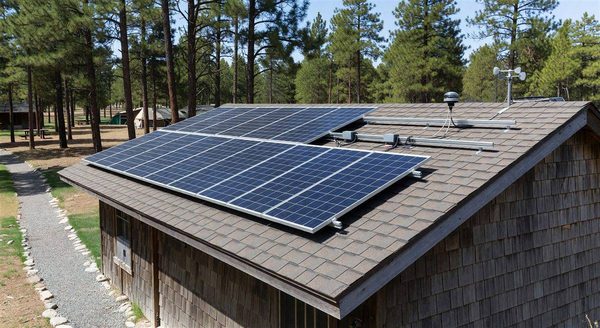
Rooftop solar on the registration office, camp store, and amenity buildings is the most straightforward starting point. These structures have appropriate roof orientations, existing electrical connections, and don’t impact guest sites.
Carport/canopy solar over parking areas generates power while providing covered parking — a double amenity particularly valued in hot climates.
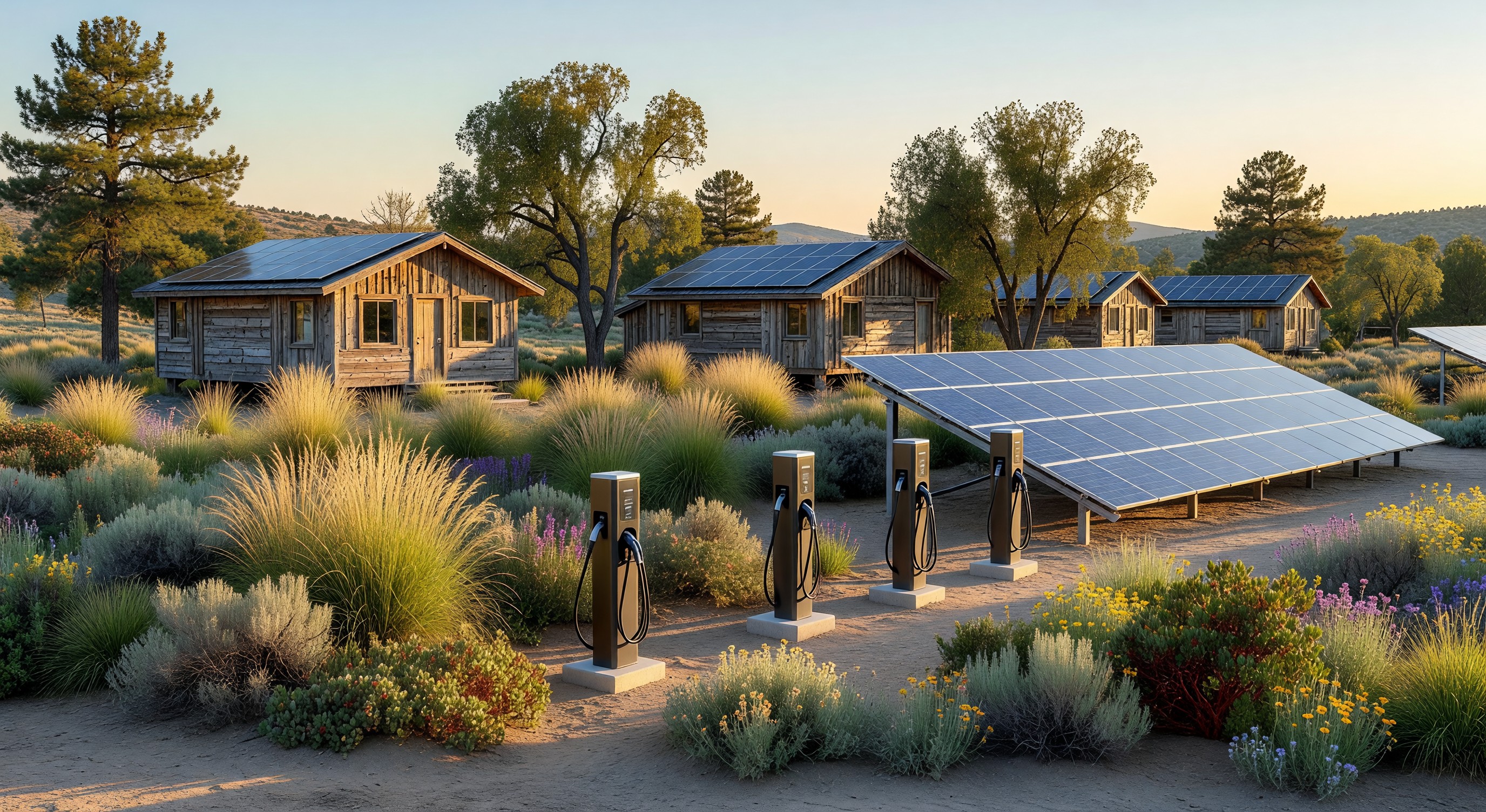
Ground-mounted arrays on non-developable property sections (setback areas, buffers near property lines) maximize generation capacity without impacting guest space.
Battery storage integration captures excess daytime solar generation for use during evening peak hours when demand is highest. This increases the percentage of actual consumption covered by solar versus just generation capacity.
Communicating solar impact:
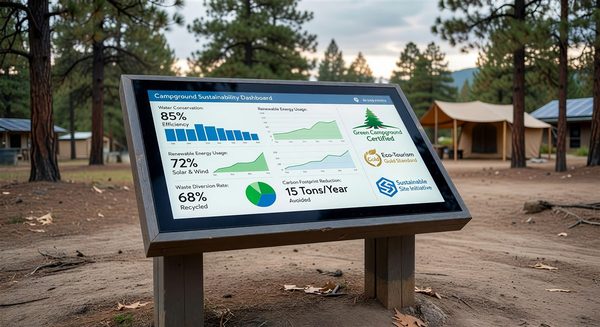
A real-time solar generation dashboard display at the registration office — showing watts currently generated and the equivalent offset in carbon emissions — creates a guest-visible demonstration of environmental commitment.
Water Conservation Technology
Campground water consumption is significant: bathhouses, laundry, RV hookup water, landscaping, and pool fill/backwash. Technology is reducing this consumption:
Low-flow fixtures: Smart showerheads that provide a satisfying experience at 1.5–2 gallons per minute (vs. 2.5 GPM standard) reduce bathhouse water consumption 20–40% without meaningful guest experience impact.
Timed showerheads: Showerheads that display time elapsed and provide gentle feedback (a brief flow reduction at 5 minutes) encourage appropriate shower duration without being punitive.
Smart irrigation: Weather-based irrigation controllers that skip scheduled watering cycles when rainfall is detected or forecast reduce campground landscaping water consumption by 30–50% versus traditional timer-based systems.
Greywater recycling: Some campgrounds are exploring greywater treatment systems that allow reuse of bathhouse shower and sink water for irrigation. These require state regulatory approval and appropriate infrastructure but meaningfully reduce freshwater demand.
Rainwater harvesting: Collection of roof runoff in cisterns for non-potable uses (irrigation, toilet flushing in facilities served by a separate plumbing loop) reduces municipal or well water demand.
Carbon Footprint Tracking and Communication
For campgrounds that want to credibly claim sustainability achievements, measurement infrastructure is necessary:
Utility monitoring: Sub-metered electricity monitoring by building or zone allows you to track consumption trends and identify efficiency opportunities. Many commercial electricity meters can export data to analysis platforms.
Carbon accounting software: Platforms designed for hospitality operations can calculate carbon emissions from your electricity, propane, water treatment, and waste based on your utility consumption data.
Certification programs: The LEED for Operations, Green Key, and Sustainable Travel International certification programs provide third-party validation of sustainability claims. Guest-facing certification credentials (displayed at entrance or on booking page) carry more credibility than uncertified self-reported claims.
The ROI of Sustainability Technology
The business case for sustainability amenities has multiple dimensions:
Direct cost savings: Solar reduces electricity costs; water conservation reduces utility bills; smart HVAC reduces heating and cooling costs.
Revenue premium: Sustainability-focused guests are often willing to pay a premium for properties that align with their values. Some eco-certification programs report 10–20% rate premiums for certified properties.
Marketing differentiation: Genuine sustainability commitment supported by verifiable data is a marketing asset. Properties that can credibly quantify their environmental impact attract media coverage and word-of-mouth from environmentally conscious guests.
Regulatory compliance: Environmental regulations on water use, emissions, and waste are tightening in many jurisdictions. Proactive technology investment often gets ahead of compliance requirements.
Frequently Asked Questions
How do I avoid “greenwashing” claims that guests might see through? Tie sustainability claims to specific, verifiable metrics. “We generate 40% of our electricity from solar” is verifiable. “We’re committed to environmental stewardship” is not. Third-party certification programs provide the most credible framework for sustainable claims.
What’s the typical payback period for campground solar installation? At average US commercial electricity rates and with available federal tax incentives (the 30% Investment Tax Credit from the Inflation Reduction Act), commercial solar installations at campgrounds typically have payback periods of 7–12 years. After payback, solar generates essentially free electricity for the remaining 25+ year life of the system.
Do guests actually care about campground sustainability, or is it just marketing? Survey data consistently shows that outdoor recreation participants care more about environmental practices than average consumers. A 2023 outdoor recreation survey found that 68% of respondents said they considered a destination’s environmental practices when making recreation choices. The behavior follows: properties with visible sustainability credentials see measurably higher consideration from eco-conscious travelers.
Should I invest in an official eco-certification or is self-reporting sufficient? Third-party certification carries significantly more credibility than self-reporting for guests who care about this issue. The time and cost of certification (which varies by program) is worth evaluating against the marketing value. For large properties or those targeting premium eco-conscious travelers, certification is generally worth the investment.
Further Reading from Authoritative Sources
- ARVC campground sustainability standards and guest research — ARVC tracks guest demographic research and sustainability adoption across the campground industry, making it the authoritative source for data on how sustainability practices affect guest booking decisions.
- EPA WaterSense program for water-efficient fixtures — The EPA’s WaterSense program certifies water-efficient fixtures, including showerheads and faucets, and publishes performance standards that define what constitutes low-flow performance.