More than 60% of American households have a pet, and a growing proportion of those pet owners travel with their animals. Campgrounds have historically been among the most pet-welcoming lodging options — outdoor environments are natural fits for dogs — and operators who invest thoughtfully in pet amenities capture outsized loyalty from this segment.
Technology is making pet-focused amenities more manageable and more sophisticated. Here’s what’s working.
Smart Dog Park Design and Management
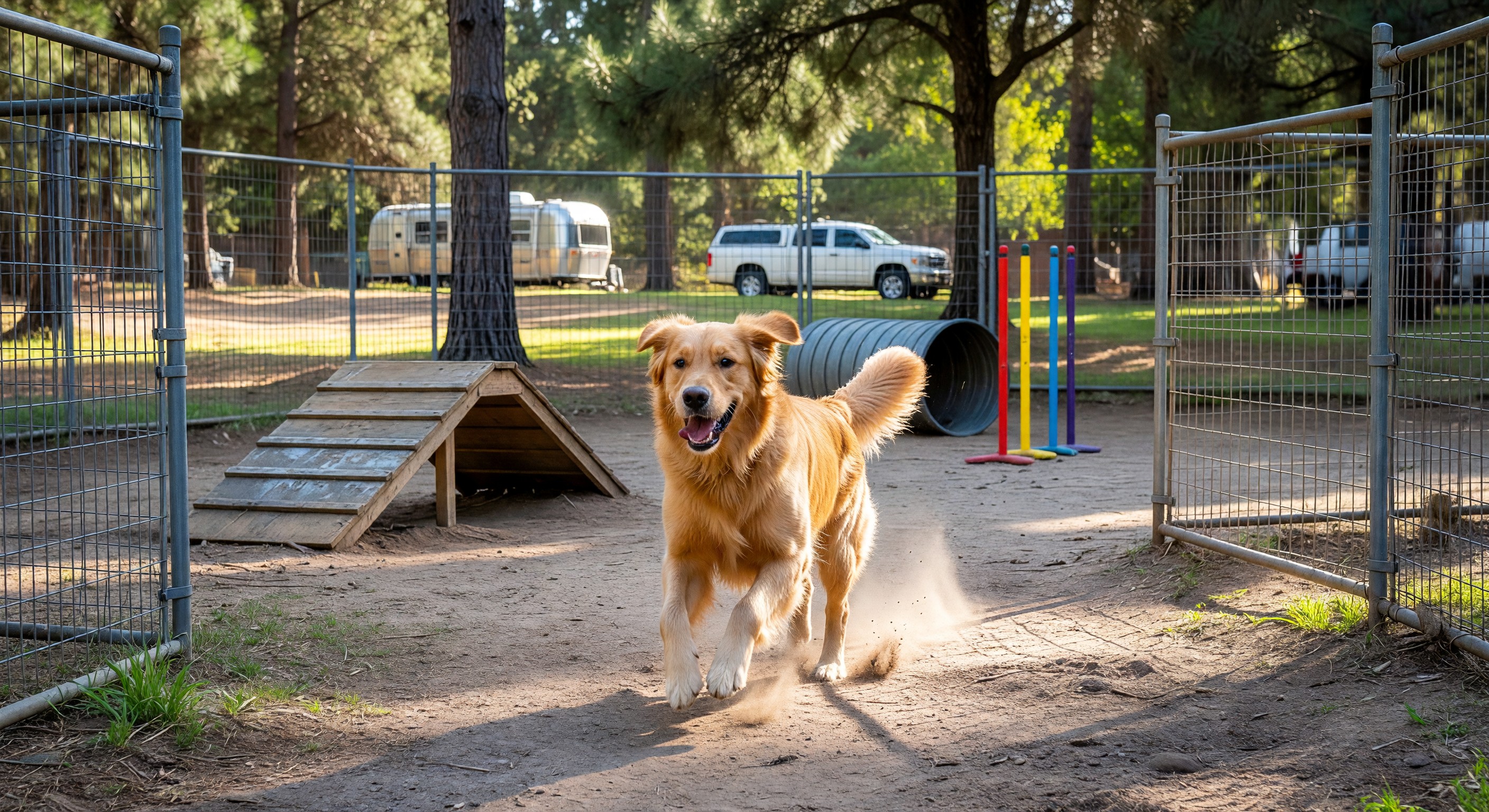
The dog park is the centerpiece pet amenity for campgrounds that want to attract and serve traveling dogs seriously. Technology in dog park management:
RFID-gated access: A card-controlled dog park gate restricts access to registered pets whose vaccination records are on file. This adds a layer of safety assurance — particularly valuable for guests bringing small dogs concerned about access by larger, unknown animals.
Vaccination record management: A digital system for collecting, storing, and verifying pet vaccination records (rabies, Bordetella, DHPP) at registration streamlines the process and allows staff to confirm compliance at the dog park gate. Some campground PMS platforms include pet profile management; others require supplementary tools.
Waste station smart monitoring: Bag dispensers and waste receptacles that alert staff when supplies are low prevent the frustrating experience of finding an empty station. Simple fill-level sensors or QR-code-based reporting (guests scan to report an empty station) keep waste management consistent.
Agility equipment with seasonal tracking: Dog park agility equipment requires seasonal inspection for safety. A digital maintenance log with equipment-specific inspection checklists ensures items are checked consistently and flagged for replacement before they become hazards.
Pet Registration Technology
Many campground check-in processes handle pet registration poorly — a verbal “yes, I have a dog” and a pet fee charge, with no record of the animal’s name, breed, size, or vaccination status. This creates problems when incidents occur.
A structured pet registration process captures:
- Pet name, species, breed, size, and age
- Vaccination records (required in most parks; stored digitally)
- Emergency contact information for the pet
- Any behavioral notes the owner discloses
This information, linked to the reservation record, is accessible to staff if an incident involving the animal occurs.
Pet Welcome Kits and Smart Delivery
Premium campgrounds increasingly provide pet welcome kits delivered to the site on arrival:
- A biodegradable waste bag dispenser with your park’s branding
- A dog treat or two
- A card with the location of the dog wash station and the dog park
- A note about the on-property pet rules
The kit delivery is managed as part of the arrival fulfillment workflow — if the reservation includes a pet, the fulfillment list flags a pet kit for delivery to the site before the guest arrives.
Dog Wash Stations With Smart Water Control
A self-service dog wash station is a high-demand amenity for traveling dog owners. Technology improvements:
Timed water dispensers: Token or coin-operated or app-activated water dispensers at the dog wash station control usage and generate revenue.
Heated water in cooler seasons: Temperature-controlled water makes the dog wash usable beyond summer — a significant advantage in shoulder season markets.
Water usage metering: Smart valves that measure and log water usage at the dog wash station provide data for utility management and leak detection.
Drainage infrastructure: Proper gravel or drainage infrastructure keeps the dog wash area usable rather than muddy. This is infrastructure, not technology, but it’s the foundation that makes the amenity pleasant.
Frequently Asked Questions
Should I designate specific pet-friendly and pet-free loops? Many campgrounds do this, particularly those that serve both families with young children who may be fearful of dogs and pet-traveling guests. Designating loops allows guests without pets to book in a pet-free area and guests with pets to be in an environment where dogs are normalized. The trade-off is reduced flexibility in site assignment.
What’s the typical pet fee structure for campgrounds? Per-stay pet fees of $5–$15 per pet, or per-night fees of $1–$5 per pet, are common. Premium campgrounds in high-demand markets charge higher pet fees. Some parks include pets in the standard rate without a separate fee, particularly if pet amenities (dog park, wash station) are limited.
How do I handle a guest whose pet causes damage or injury to another guest or animal? Your registration process should include a pet liability acknowledgment — guests confirm they’re responsible for their pet’s behavior and any damage or injury caused. This acknowledgment is your documentation in a dispute. For serious incidents, law enforcement and your insurance carrier should be involved.
Is there a certification for pet-friendly campgrounds? BringFido.com and similar pet travel platforms have their own rating and certification criteria for pet-welcoming accommodations. Listings on these platforms drive bookings from pet travelers who specifically search for verified pet-friendly options.
Further Reading from Authoritative Sources
- ARVC campground pet policy standards and amenity guidance — ARVC tracks pet-owner camping as a significant demographic segment and provides policy and amenity guidance for campground operators serving pet-owning guests, making it the most relevant trade authority for the pet-friendly campground practices in this article.
- ADA service animal rules and pet policy distinctions — ADA.gov is the official government source for service animal requirements that override campground pet policies, and any campground pet amenity article must reference the ADA’s clear distinction between pets and service animals to ensure operators apply policies correctly.