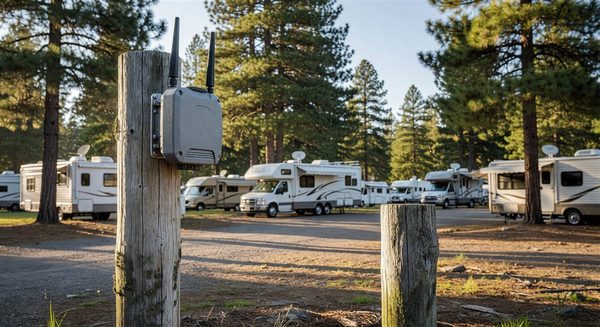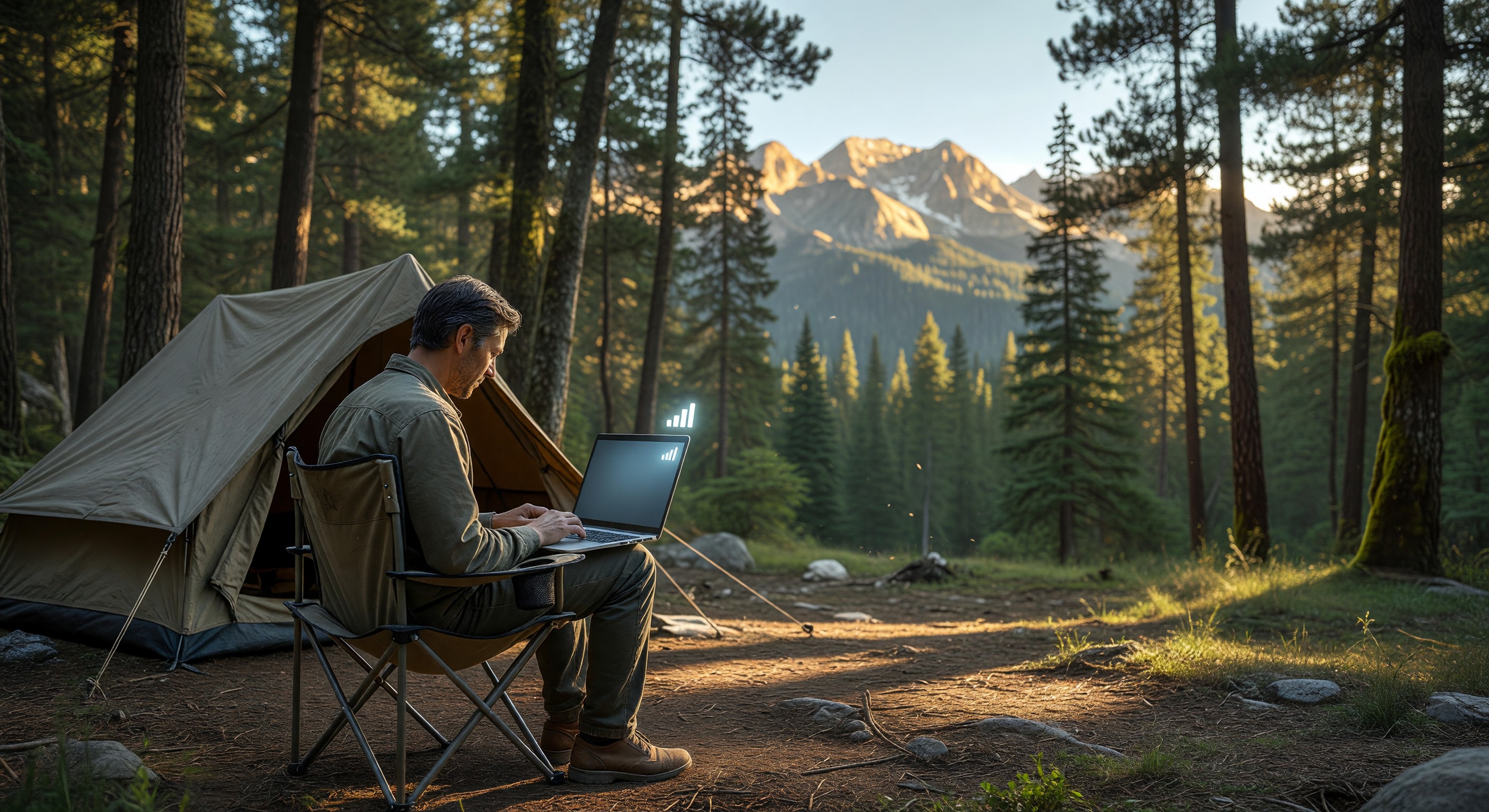
The normalization of remote work during and after the pandemic created a new campground guest segment: professionals who work from anywhere and choose to camp for extended periods while maintaining their careers. Digital nomads, remote workers on working vacations, and location-independent freelancers are a growing share of campground stays, particularly mid-week and in shoulder season.
Serving this segment well requires specific infrastructure, marketing, and amenity consideration. Here’s what operators are doing to attract and retain remote workers.
What Remote Workers Need From a Campground
Remote workers have a distinct set of needs compared to purely recreational campers:
Reliable, fast internet: This is non-negotiable. A remote worker who can’t attend a video call or push code because of WiFi failure will not return and will not recommend the park. The bare minimum is 10 Mbps per device with low latency; better is 25+ Mbps with genuinely low latency (under 50ms) suitable for video conferencing.
Power access: A remote worker running a laptop, potentially an additional monitor, and peripheral devices throughout the workday draws more power than a recreational camper. Full hookup sites are preferable; sites with 50A service even more so.
Quiet working environment: Daytime noise that would be acceptable in a recreational camping context (children playing, generator noise, maintenance activity) is a significant problem for someone on a client call.
Cell signal (as backup): When campground WiFi falters, cell signal is the backup. Remote workers choose sites with good LTE/5G coverage as a failsafe.
Workspace amenities: Some campgrounds have added dedicated workspaces — a covered pavilion with tables, power outlets, and boosted WiFi — specifically for remote workers. Others provide a quiet indoor workspace during daytime hours.
Certifying Your Campground for Remote Work
Several organizations have created campground certification programs specifically for remote workers:
WiFi Tribe and Wifi Rangers have directories of campgrounds that meet minimum connectivity standards. Being listed on these directories drives bookings from remote workers specifically.
Good Sam and other camping clubs are beginning to add WiFi quality ratings to campground directories. A verified WiFi quality rating from an independent source is more credible than your self-reported claim.
Remote Year partner status and similar programs exist in the travel industry for accommodations that host remote work communities.
Marketing to Remote Workers
Remote workers are identifiable and reachable:
LinkedIn advertising targeting remote workers and location-independent professionals in your geographic reach area is a high-precision marketing channel for this segment.
Remote work community forums and Facebook Groups (Remote Work Hub, Nomadic Matt’s community, r/digitalnomad on Reddit) are where remote workers share accommodation recommendations. A presence and engagement in these communities builds awareness.
Work camping content: Blog posts, social media content, and YouTube videos showing what working from your campground is like — the view from the work site, the internet speed test results, the afternoon lake swim — perform well with this audience.
“Work from anywhere” pricing: Some campgrounds offer week-long or month-long rates specifically for remote workers — recognizing that this segment stays longer and is more valuable than weekend campers.
WiFi Infrastructure Specifically for Remote Workers
The campground’s general WiFi network may be adequate for recreational campers but insufficient for remote workers during peak usage periods (evening hours, when recreational campers are heavily using the network).
Options:
Dedicated business-grade WiFi service in a specific area: A separate internet connection and access points serving a designated “work zone” keeps remote worker traffic off the general guest network and ensures consistent quality for work use.
Cellular booster equipment: A commercial-grade cellular signal booster can significantly improve the cell signal that remote workers use as a backup. These require coordination with the cellular carrier but are available to commercial properties.
Starlink as a high-reliability backup: A Starlink connection operating in parallel with your primary ISP connection, available as a premium service in specific sites or a work zone, provides remote workers with a high-reliability path when primary connectivity is degraded.
Frequently Asked Questions
Should I market to remote workers specifically or as part of a broader amenity listing? Both. Specifically target remote workers through the channels described above, AND include connectivity capabilities prominently in your general amenity listings. Many guests who are primarily recreational campers also work occasionally during extended trips and appreciate knowing the infrastructure is there.
What speed does a video call actually require? A standard Zoom or Teams video call requires roughly 3–4 Mbps upload and download per participant. For a single remote worker on a video call, 10 Mbps symmetric connectivity is comfortable. Group video calls with multiple participants on a single connection need proportionally more.
Can I offer a “remote work guarantee” — guaranteed connectivity for remote workers? Some parks do offer this with a clearly defined standard (“minimum 25 Mbps download, less than 100ms latency at the work zone”) and a full refund if the standard isn’t met. This is a strong trust signal but requires infrastructure capable of reliably meeting the standard.
How do I handle a remote worker whose usage is affecting my other guests? If a single remote worker is consuming a disproportionate share of bandwidth and degrading the experience for others, your bandwidth management policies (per-device limits) should address this automatically without a direct confrontation. If you don’t have bandwidth management configured, this is a strong argument for implementing it.
Further Reading from Authoritative Sources
- ARVC campground amenity standards and guest trends — ARVC tracks guest demographic trends in the campground industry and is the most relevant trade authority for statements about the remote-worker camping segment’s growth and its amenity implications.
- FCC broadband speed standards and connectivity definitions — The FCC defines broadband speed thresholds and publishes guidance on connectivity standards for fixed and wireless services.