Communication between campground staff and guests happens at dozens of touchpoints from the moment a reservation is made to the day a guest departs — and often afterward through reviews and return booking outreach. Managing all these touchpoints manually, at the scale most campgrounds operate, leads to inconsistency, missed opportunities, and excessive staff time on routine messages.
Communication technology — from automated pre-arrival emails to in-stay messaging platforms — allows campground operators to deliver consistent, well-timed communication across every touchpoint while freeing staff to focus on interactions that genuinely require a human touch.
Pre-Arrival Communication: Setting Expectations
Guests who arrive well-informed are more satisfied and create less work at check-in. A systematic pre-arrival communication sequence prepares guests for what to expect and reduces repetitive questions.
Booking confirmation: Immediate confirmation with reservation details, check-in time, site assignment (if known), cancellation policy, and key policies. This is the minimum — most reservation systems generate this automatically.
Pre-arrival information (3–7 days before arrival): A second message with practical information guests need to plan their trip:
- Directions to the campground (Google Maps often routes incorrectly in rural areas — include specific driving instructions)
- Check-in procedures (self-check-in kiosk location, gate access code delivery, what to expect on arrival)
- What to bring (fire wood availability, ice, basic supplies)
- Amenity hours (pool, laundry, store hours)
- Key policies (quiet hours, pet policies, fire restrictions)
- Link to the digital campground guide for full information
Day-before reminder: A brief message confirming the reservation, reiterating check-in procedures, and providing gate access credentials. This reduces “I forgot my code” calls significantly.
Digital Campground Guides
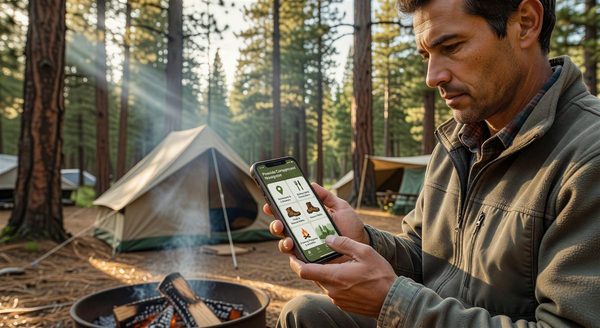
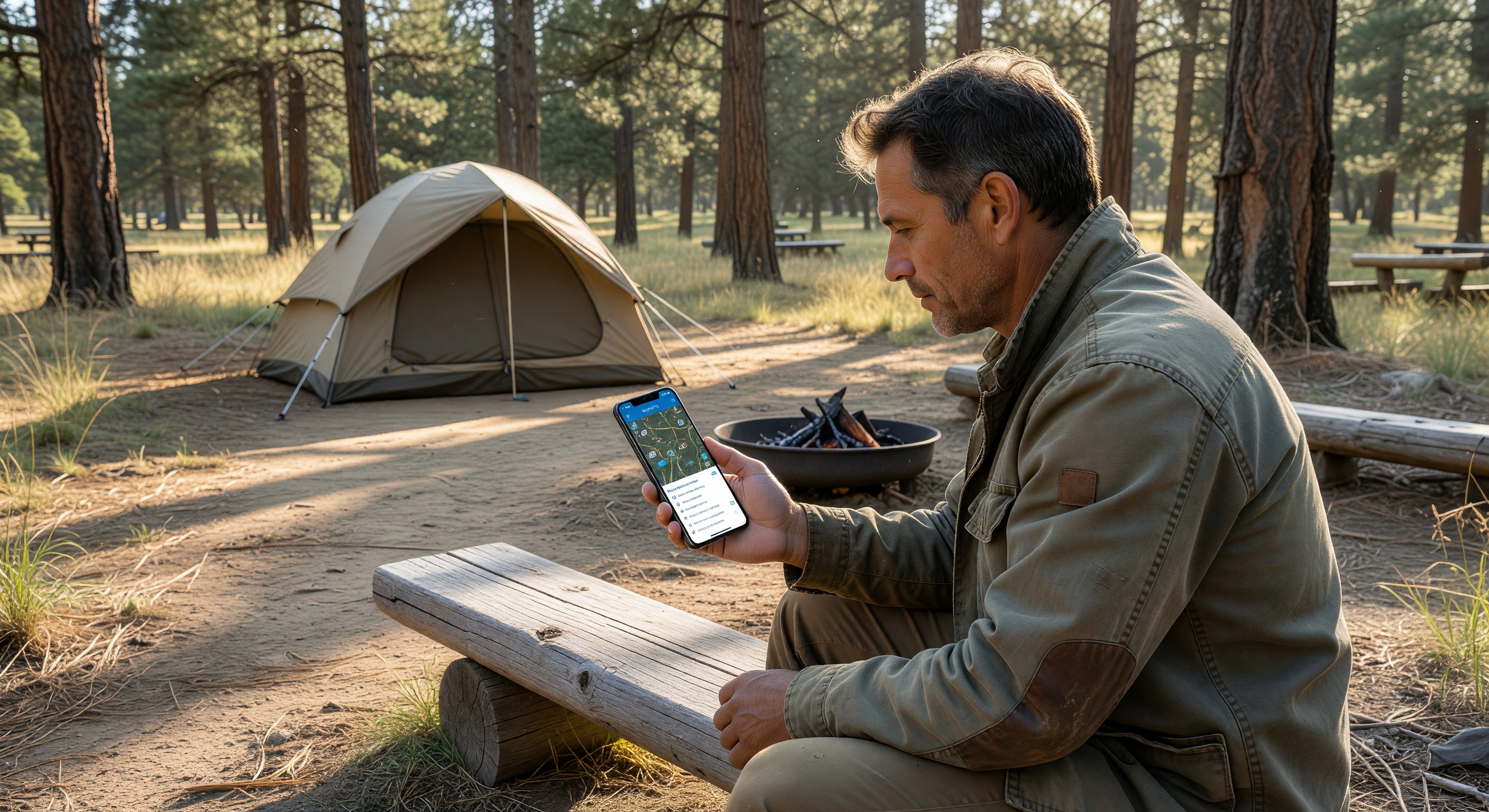
The thick laminated binder in the cabin or the stapled sheet under the windshield wiper has been the traditional welcome information delivery mechanism. Digital campground guides — accessible via QR code, campground app, or web link — deliver the same information in a more accessible, searchable, and easily updated format.
Good digital guide content:
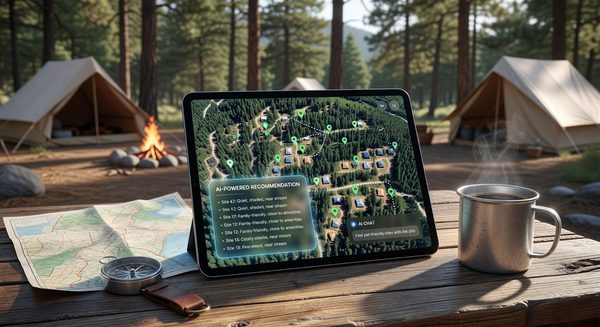
- Site map with amenity locations
- Wi-Fi network names and passwords
- Amenity hours and reservation requirements (pool, recreation equipment)
- Local attractions and dining (a curated list beats a generic search)
- Emergency information (nearest hospital, after-hours contact)
- Check-out procedures and checkout time
- Rules and policies in clear, brief format
QR codes posted at the registration office, at the site electrical pedestal, and at amenity entrances give guests easy access to the guide throughout their stay without needing to track down a paper copy.
Updating digital guides is trivially easy compared to reprinting paper materials. Rule changes, temporary amenity closures, and seasonal information updates take minutes to publish and are immediately available to all guests who access the guide.
In-Stay Messaging Platforms
Some campground management platforms include in-stay messaging — a two-way communication channel between guests and the front desk via text or the campground’s app.
Guests use in-stay messaging to:
- Ask about amenity hours or availability without calling the office
- Report maintenance issues (light out at their site, shower drain slow)
- Request additional supplies (firewood, ice)
- Ask local knowledge questions
Staff use in-stay messaging to:
- Send targeted information to specific sites (quiet hours reminder if a site is getting noisy)
- Deliver notices about weather or temporary closures
- Follow up on maintenance requests with resolution status
The asynchronous nature of messaging reduces the volume of phone calls to the office — guests can send a message and receive a response without the call requiring a staff member to be immediately available. For campgrounds where office staffing is limited in evenings and early mornings, messaging provides a communication channel during lower-staffed hours.
Post-Departure Communication: Reviews and Retention
The guest communication workflow shouldn’t end at checkout. Post-departure communication serves two important purposes: gathering feedback and encouraging return visits.
Review requests: An automated message sent 24–48 hours after checkout asking satisfied guests to leave a review on Google, Campendium, or your platform of choice is the most effective way to build your review count. Timing matters — close enough to the visit that the experience is vivid, enough time for guests to have settled back home.
Some operators use a two-step approach: send a brief satisfaction survey first, and route highly satisfied respondents to a public review request. This filters out guests who had a poor experience and are likely to leave a negative review, reserving the public review invitation for guests most likely to be positive.
Return booking encouragement: An automated email 2–3 months after a guest’s stay — timed to when they might be starting to think about their next camping trip — with a reminder of their experience and a direct booking link captures return bookings that might otherwise go to a competitor. Including a modest repeat-guest discount or site upgrade offer improves conversion.
Loyalty program integration: For campgrounds with loyalty or membership programs, post-departure communication is the bridge to next-season engagement. Points balance updates, member-exclusive early booking windows, and upcoming events communicate ongoing value that motivates return visits.
Segmented Communication and Personalization
Not all guests should receive identical messages. Basic segmentation improves communication relevance:
- Tent campers vs. RV guests: Different information is relevant (electrical hookup details for RV guests; campfire and cooking guidance for tent campers)
- First-time guests vs. returning guests: First-timers need more detail; returning guests appreciate a streamlined “welcome back” message that acknowledges their familiarity
- Long-term stays vs. weekend visits: Guests staying a week need different in-stay information than weekend visitors
- Group reservations vs. individual sites: Group bookings have different logistics than individual reservations
Modern campground management platforms capture this segmentation data through the reservation record. Automated communication tools that can trigger different message sequences based on reservation attributes deliver the right message to the right guest with minimal manual intervention.
Frequently Asked Questions
What’s the most impactful communication improvement a small campground can make? A pre-arrival information email with specific driving directions, check-in procedure details, and gate access credentials reduces phone calls, arrival confusion, and check-in time — with no ongoing staff time required once the template is set up. If you’re starting from nothing, this is the first thing to automate.
How do guests prefer to communicate with campgrounds during their stay? Research consistently shows that younger campers prefer text/messaging channels while older demographics are comfortable with phone calls. Offering both — a text/messaging option and a phone number for those who prefer it — serves the full demographic range. Forcing all guests to use a single channel creates friction for those who prefer the other.
Can I use a general-purpose messaging tool (like text, email, or WhatsApp) for campground communication instead of a dedicated platform? Yes, and many small campgrounds do this effectively. The limitation is the absence of automation and integration — without platform-level integration, every communication requires manual action. As volume grows, that manual overhead becomes limiting. For campgrounds processing 10+ reservations per day, investing in a platform with native automation is worth the cost.
How do I handle guests who don’t want to receive automated messages? Include an unsubscribe or opt-out option in all automated messages, as required by law in most jurisdictions (CAN-SPAM in the US, CASL in Canada). Beyond legal compliance, honoring unsubscribe requests immediately maintains trust. Guests who opt out of marketing messages should still receive essential operational messages (reservation confirmation, gate code, checkout information) — these are service communications, not marketing, and typically don’t require opt-in consent.
Further Reading from Authoritative Sources
- ARVC campground guest experience standards and communication best practices — ARVC’s operational standards and member education resources cover guest communication expectations in the outdoor hospitality industry.
- Go RVing research on camper communication and information needs — Go RVing publishes consumer research on what information RV travelers need and when they need it across the trip planning and travel lifecycle.