The camping world is increasingly recognizing that outdoor recreation is for everyone. Guests with mobility impairments, visual disabilities, hearing loss, and other challenges have as much interest in camping as anyone — and face barriers at many parks that technology and thoughtful design can meaningfully reduce.
Beyond meeting ADA minimum requirements, campgrounds that invest in genuine accessibility create an inclusive environment that earns loyalty from disabled guests, their families, and their companions.
Technology for Mobility Accessibility
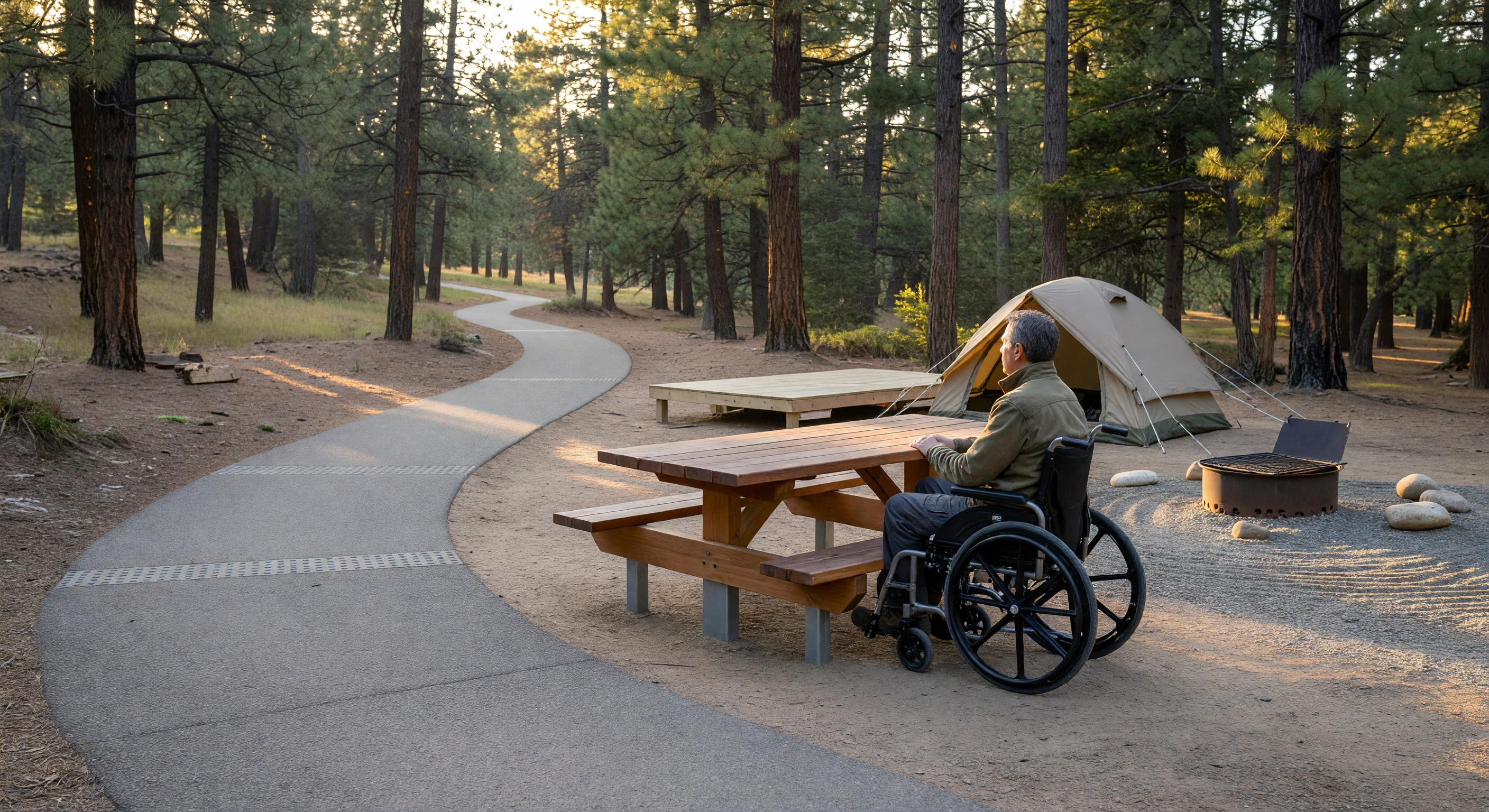
Hard surface path navigation: Beach wheelchairs, adult three-wheel bikes, and all-terrain mobility devices allow guests with mobility limitations to navigate natural terrain. Renting these devices through your campground activity program makes the experience available without guests needing to transport their own adaptive equipment.
Electric mobility assist devices: Campgrounds in hilly terrain or large properties can offer low-speed electric mobility carts as an amenity — not just for disabled guests, but for all guests who find the walking distances challenging. Smart cart fleets with GPS and charging station management reduce operational overhead.
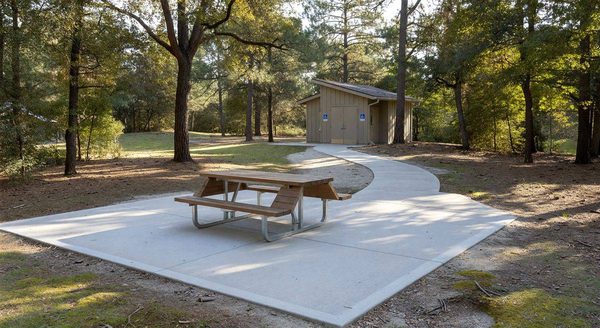
Accessible outdoor furniture: Height-adjustable picnic tables, tables with wheelchair roll-under clearance, and Adirondack chairs with arm extensions are specific furniture investments that make outdoor spaces genuinely usable for guests with mobility differences.
Assistive technology in bathhouses: ADA-compliant roll-in showers and grab bars are baseline. Beyond baseline: touchless faucets and soap dispensers, emergency call cords or alert buttons, and adequate lighting for guests with low vision.
Technology for Hearing Accessibility
Visual alert systems: Guests with hearing loss who are in a cabin or tent can’t hear an audible storm warning or emergency announcement. Visual alert systems — strobe-activated warnings, text-based emergency notifications via the campground app or SMS — serve this population.
Real-time captioning for programs: Campfire programs and nature talks traditionally rely on spoken content. A campground that provides real-time captioning (via an app on the guest’s device, or a display at the event) makes these programs accessible to guests with hearing loss.
Loop systems for registration areas: For guests who use hearing aids with telecoil capability, an audio induction loop system in the registration area allows direct audio pickup from the staff’s speech, significantly improving communication clarity.
Technology for Vision Accessibility
Screen-reader-compatible booking systems: As discussed in the reservations section, your booking website should be WCAG 2.1 compliant for accessibility. For vision-impaired guests who rely on screen readers, a non-compliant booking website means they can’t independently complete a reservation.
Large-print and audio campground information: Pre-arrival information should be available in large-print PDF and, ideally, audio format. A simple text-to-speech conversion of your standard pre-arrival guide is a low-cost accessibility improvement.
Tactile trail maps: Some parks have created tactile 3D-printed trail maps that guests with visual impairments can read by touch. These are uncommon but meaningful for guests who use them.
Sensory Inclusion
Sensory-friendly camping experiences: Guests with autism spectrum disorder or sensory processing differences may struggle with the noise and stimulus variation of busy peak-season campgrounds. Some parks now offer designated quieter loop sections, low-stimulation programming options, and pre-trip sensory guides that help guests plan for the sensory environment they’ll encounter.
Dietary accommodation at camp stores: Clearly labeled allergen information for camp store food products and flexibility in prepared food offerings supports guests with dietary restrictions that can be connected to medical or sensory conditions.
Frequently Asked Questions
Does investing in accessibility beyond ADA minimums actually drive bookings? Yes. Disabled guests represent approximately 26% of US adults. They travel with companions and families. A campground that is genuinely accessible reaches not just the disabled guest but their entire party. Reviews that mention genuine accessibility attract a loyal guest segment that is underserved by most parks.
What’s the most impactful single technology investment for improving campground accessibility? A well-designed website booking system that is fully screen-reader compatible and WCAG compliant affects more guests than any single physical amenity. Vision-impaired guests who can’t independently complete a reservation on your website simply don’t book.
How do I know which accessibility investments to prioritize? Ask your guests. Survey past guests about barriers they’ve encountered; reach out to disability advocacy organizations for feedback on your park; engage with adaptive recreation communities about their camping experiences. The priorities vary by your location, your terrain, and your guest base.
Is there a certification for campground accessibility? The National Ability Center’s certification program and various state-level adaptive recreation organization programs recognize accessible outdoor recreation properties. Certification provides third-party credibility and inclusion in directories that disability-focused travelers use to find accommodations.
Further Reading from Authoritative Sources
- ADA Title III accessibility requirements for places of public accommodation — ADA.gov is the official government source for Americans with Disabilities Act requirements, and ADA Title III directly governs private campground accessibility obligations.
- Access Board outdoor developed area accessibility standards for campgrounds — The U.S.