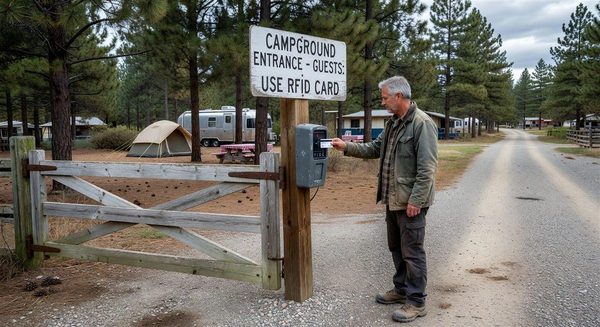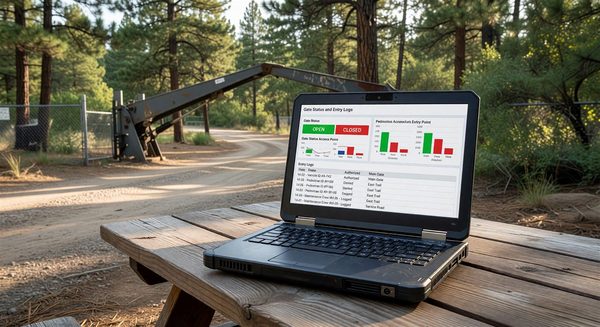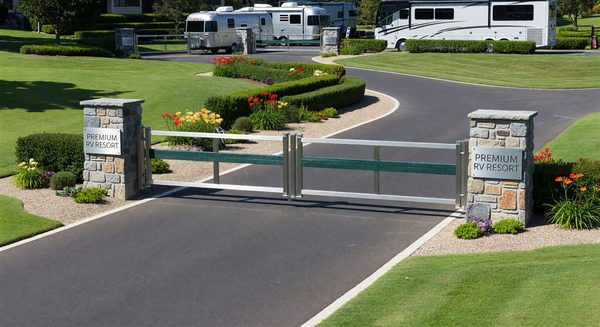
Vehicle access management is one of the most operationally complex aspects of campground security. The vehicles coming and going at your park include registered guests, day visitors, delivery trucks, contractor vehicles, staff, and unauthorized entrants. Distinguishing between these categories, allowing appropriate access, and maintaining a record of what came and went is the core challenge.
By 2023, the technology to manage vehicle access effectively is accessible to parks of all sizes — the question is which tools fit your operation and how to deploy them in combination.
Vehicle Categories to Manage
A complete vehicle access management strategy accounts for:
Registered overnight guests: The primary vehicle access population. Credentials issued at booking or check-in; valid for reservation dates only.
Day visitors: Guests who pay for amenity access without an overnight reservation. Need temporary credentials with time limits.
Extended family vehicles: A guest’s reservation may cover one vehicle; visiting family members may arrive in additional vehicles that need temporary access.
Service and delivery vehicles: Food delivery, laundry service, propane deliveries, mail service. Regular vendors may warrant standing authorization; one-time deliveries need a guest-meeting protocol.
Contractors and maintenance vendors: Park maintenance, utility companies, landscapers. Need access credentials that don’t require guest authorization but are logged.
Staff vehicles: Year-round and seasonal staff. Credentials that work outside of guest access hours.
Emergency vehicles: Law enforcement, fire, EMS. Gates must have a manual override or auto-open-on-loss-of-power configuration that emergency services can activate.
Multi-Credential System Design
Managing all these vehicle categories with a single credential type creates complications. A better approach uses different credential types for different access purposes:
Guest credentials: Date-limited PIN codes or RFID cards issued per reservation. Automatically expire on checkout.
Long-term/staff credentials: Permanent-until-revoked RFID cards or fobs for staff and long-term residents. Can be individually deactivated when employment or tenancy ends.
Temporary day-visitor credentials: Time-limited codes issued at the front desk for a specific date and access window.
Vendor standing authorization: A static code or credential shared with regular vendors (who must be reminded not to share it). Rotated periodically.
Intercom override: For vehicles without authorization — the gate intercom reaches staff who can grant manual override after verification.
How LPR Changes Vehicle Management
License plate recognition shifts the credential from something the guest carries (code, card) to something inherent to the vehicle (its plate). This has implications across the vehicle management picture:
Frictionless guest entry: No credential exchange needed. The vehicle arrives; the plate is read; if authorized, the gate opens.
Automatic visitor detection: Vehicles that aren’t in the authorized plate database are automatically flagged — the gate denies entry and the driver must use the intercom. This creates a natural filter that doesn’t rely on the driver presenting a physical credential.
Contractor pre-authorization: Add a contractor’s plate to the access list for the expected service date. The truck arrives, plate is read, gate opens without a manual override needed.
Visitor tracking: Every vehicle entry and exit is logged with the plate image and timestamp. This is far more detailed than a PIN code log, which only records that a code was used.
The tradeoff is the plate collection requirement — you need plate data at booking or pre-arrival, and guests who arrive in a different vehicle than registered need a fallback process.
Integrating With Your Parking Area
Vehicle access management extends beyond the main entry gate to parking area management within the property:
- RV slide-out space: Large rigs occupying more than their site’s designated space create parking conflicts. Some parks use camera systems to monitor site occupancy.
- Visitor parking: Designated visitor parking with time limits managed by parking permits or camera-based monitoring.
- Marina and boat ramp access: Vehicles with boat trailers often have separate access requirements from standard guest vehicles.
Frequently Asked Questions
How do I handle a delivery driver who arrives at a locked gate after hours? For anticipated deliveries, pre-load the driver’s vehicle plate in the access system for the expected delivery window. For unexpected deliveries, an intercom at the gate that routes to a staff cell phone allows remote authorization. For parks without after-hours staff coverage, a physical coded delivery lockbox near the gate can receive packages without requiring gate access.
Can I restrict how many times a guest’s credential can be used per day? Yes, on systems that support it. Some access control platforms allow you to set daily use limits on credentials — useful for preventing a single guest credential from being used to let multiple unauthorized vehicles through throughout the day.
What’s the best way to handle a guest who leaves and wants to come back with additional family members who weren’t on the reservation? Have a defined policy and communicate it at check-in. Most parks allow a reasonable number of day visitors per site; the front desk issues a temporary visitor credential for each visit. This is operationally preferable to ad-hoc staff decisions at the gate.
Should I use automatic vehicle identification (AVI) technology for contractor and vendor access? For regularly accessed service vehicles, AVI (which is essentially LPR for authorized vehicles) is a convenience upgrade. The cost-benefit depends on how frequently you have vendors accessing the property. Parks with active construction, regular propane deliveries, and weekly landscaping may find it worth the configuration effort; parks with occasional service visits may prefer the simplicity of a staff-controlled intercom.
Further Reading from Authoritative Sources
- ARVC campground access management standards and technology resources — ARVC provides the industry framework within which campground vehicle access technology is selected and deployed.
- RVIA RV industry data on vehicle types and campground access considerations — RVIA’s data on RV configurations, towing setups, and industry growth in boat-trailering RV owners is directly relevant to campground operators designing vehicle access policies that account for the diversity of vehicle types and trailer configurations that modern guests arrive with.